
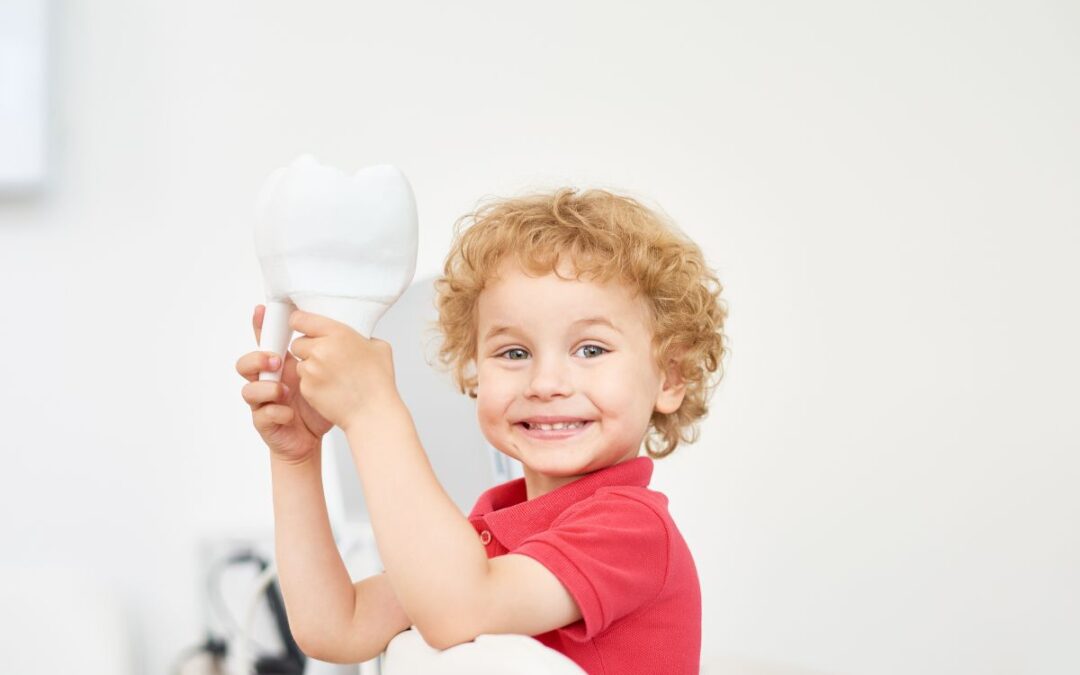
Most parents already know brushing is important.
The difficult part is making healthy dental habits happen consistently every day — especially during busy mornings, school schedules, sports practices, homework, and bedtime routines.
Some kids rush through brushing in thirty seconds. Others avoid flossing completely. And sometimes even the best routines start slipping during hectic weeks.
The truth is that good oral health usually comes from small habits repeated consistently over time.
Daily dental care plays a major role in protecting children from:
- Cavities
- Gum irritation
- Plaque buildup
- Early enamel wear
- Tooth pain
The good news is that helping children maintain healthier teeth does not require complicated routines. A few simple habits at home can make a significant difference as children grow.
Focus on Better Brushing — Not Faster Brushing
Many children technically brush their teeth every day, but they often miss important areas.
Common mistakes include:
- Brushing too quickly
- Missing back teeth
- Skipping nighttime brushing
- Using too much pressure
- Ignoring the gumline
Parents should encourage children to:
- Brush twice daily
- Use a soft-bristled toothbrush
- Brush for two full minutes
- Clean every surface of the teeth
- Replace toothbrushes every few months
For younger children, supervised brushing usually helps improve consistency and technique.
Nighttime Brushing Is Extremely Important
If there is one habit parents should prioritize most, it is brushing before bed.
During sleep, saliva production naturally decreases. Saliva helps wash away bacteria during the day, so skipping nighttime brushing allows plaque and food particles to stay on teeth for hours overnight.
This may increase the risk of:
- Cavities
- Plaque buildup
- Gum irritation
- Bad breath
Even on busy evenings, brushing before bed helps protect teeth while children sleep.
Flossing Matters Earlier Than Most Parents Think
Many parents wait too long before introducing flossing.
Once teeth begin touching together, toothbrushes cannot fully clean between them anymore.
Without flossing:
- Food particles remain trapped
- Plaque builds between teeth
- Cavities may develop in tight spaces
Many childhood cavities actually form between teeth where brushing alone cannot reach effectively.
Helping children floss daily can significantly improve long-term oral hygiene.
Snacks and Drinks Affect Teeth All Day Long

What children eat throughout the day affects oral health just as much as brushing habits.
Frequent snacking exposes teeth to sugar and acids repeatedly.
Some common cavity-friendly foods and drinks include:
- Sticky fruit snacks
- Candy
- Juice
- Soda
- Sports drinks
- Sugary cereals
The issue is often not one treat occasionally — it is constant exposure throughout the day.
Water remains one of the healthiest choices between meals because it helps rinse away leftover sugars and acids.
Healthy Routines Usually Work Better Than Strict Rules
Children often respond best to routines that feel consistent and predictable.
Many parents find dental care easier when they:
- Keep brushing at the same times daily
- Use timers or songs
- Let children choose toothbrush colors
- Make brushing feel positive instead of stressful
- Avoid using fear-based language about the dentist
Simple routines are often easier for children to maintain long term.
Active Kids Should Protect Their Teeth Too
Children who play sports or stay active outdoors have a higher risk of dental injuries.
Falls and collisions may sometimes cause:
- Chipped teeth
- Cracked teeth
- Mouth injuries
- Tooth sensitivity
Protective mouthguards can help reduce the risk of sports-related dental injuries.
Parents should also schedule a dental evaluation after any injury involving the mouth or teeth, even if damage seems minor initially.
Watch for Early Signs of Dental Problems
Some dental concerns develop gradually before children complain about pain.

Parents should pay attention to:
- Tooth sensitivity
- Bleeding gums
- White spots on teeth
- Persistent bad breath
- Swelling
- Difficulty chewing
- Complaints during brushing
Early treatment is often simpler and more comfortable for children.
Regular Dental Visits Still Matter
Even children with strong home care habits still benefit from preventive dental visits.
Routine appointments help monitor:
- Tooth development
- Cavity formation
- Bite alignment
- Gum health
- Oral hygiene habits
Professional cleanings also remove plaque buildup that regular brushing may miss over time.
Families searching for a trusted pediatric dentist Boca Raton parents rely on are often looking for preventive care that supports healthy habits while helping children feel comfortable during visits.
Small Habits Make a Big Difference Over Time
Dental care does not need to feel perfect every single day.
The goal is building consistency over time through small healthy habits like:
- Brushing twice daily
- Flossing regularly
- Drinking more water
- Limiting sugary snacks
- Keeping preventive dental appointments
These simple routines help support stronger oral health as children grow.
Final Thoughts
Healthy dental habits begin at home through consistent daily routines and preventive care. Brushing, flossing, healthy eating habits, and regular dental visits all play an important role in helping children maintain healthier teeth long term.
For families in Boca Raton and nearby South Florida communities, Pike Pediatric Dentistry provides preventive pediatric dental care focused on helping children build strong oral hygiene habits in a comfortable and supportive environment. Parents interested in scheduling a preventive visit can contact the office at (561) 347-7006.
FAQs
How often should children brush their teeth?
Children should brush twice daily using fluoride toothpaste.
When should flossing begin?
Flossing should begin once teeth start touching together.
Are baby teeth important?
Yes. Baby teeth help with chewing, speech, and guiding permanent teeth into place.
What drinks are healthiest for children’s teeth?
Water is one of the best choices because it helps rinse away sugars and acids.
How often should children visit a pediatric dentist?
Most children benefit from preventive dental visits every six months.
Can children still get cavities if they brush daily?
Yes. Diet, flossing habits, and brushing technique also affect cavity risk.