
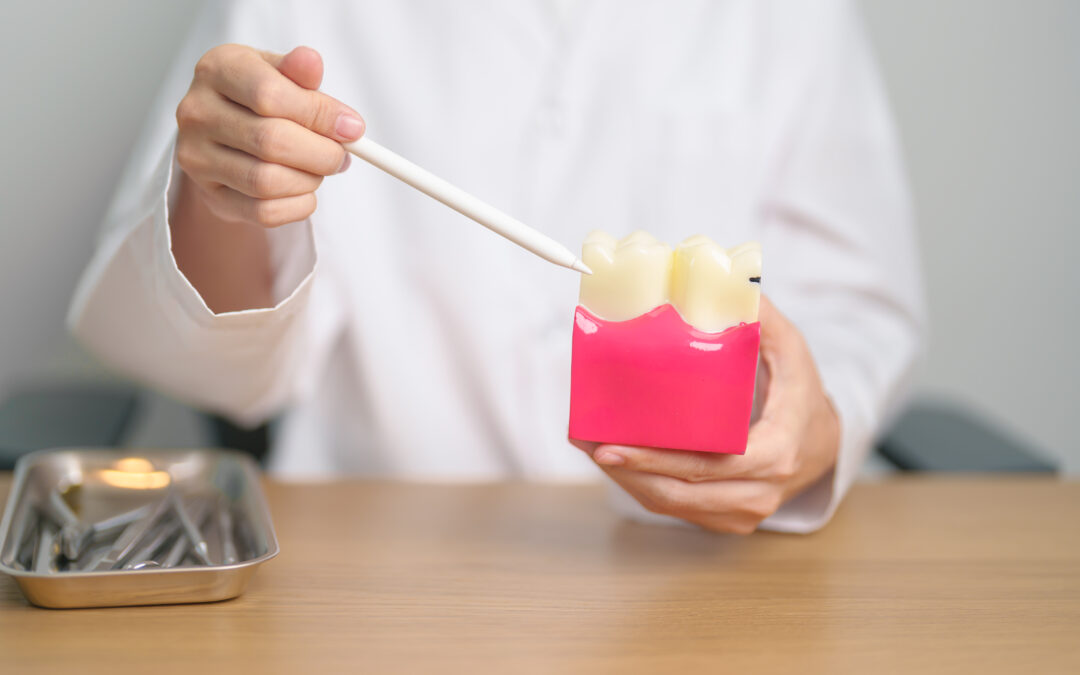
As a parent, you want the best for your child’s health, and that includes their dental care. If your pediatric dentist in Boca Raton has recommended a dental crown for your child, you might be wondering what that means and why it’s necessary. The truth is, dental crowns for children serve an important purpose in protecting and preserving their teeth during these critical years of development. Whether your child has a severely decayed tooth, a fractured molar, or damage from an accident, a crown can save the tooth and prevent more serious problems down the road.
Understanding Dental Crowns for Children
A dental crown is a tooth-shaped cap that completely covers a damaged or weakened tooth. Unlike crowns for adults, pediatric crowns are designed specifically for children’s smaller teeth and are typically made from materials like stainless steel or resin-bonded composite. These restorations restore the tooth’s shape, size, strength, and appearance while protecting it from further damage. The primary goal of placing a crown on your child’s tooth is preservation. Baby teeth serve as placeholders for permanent teeth, guiding them into proper alignment as they grow. When a baby tooth is severely compromised, a crown keeps it in place and functional until your child’s permanent tooth is ready to emerge naturally.
Common Reasons Your Child Might Need a Dental Crown
Large Cavities That Can’t Be Treated With Fillings
When decay affects more than half of the tooth’s surface, a simple filling won’t provide enough strength or protection. A crown becomes necessary to restore the tooth and prevent the cavity from returning. In Boca Raton pediatric practices, this is one of the most common reasons children need crowns. The crown covers the entire tooth, creating a protective barrier against bacteria and additional decay.
Structural Damage From Trauma or Accidents
Accidents happen. Your child might fall while playing or get hit during sports, causing a crack, chip, or break in a tooth. If the damage is extensive and the tooth structure is compromised, a crown may be the best solution to save the tooth and restore normal function.
Weak or Fractured Teeth
Some children are born with teeth that have structural weakness or enamel defects. Teeth weakened by injury, decay, or developmental issues benefit greatly from crown protection. This prevents the tooth from breaking further and requiring extraction.
Root Canal Treatment
When a child’s tooth requires a root canal to remove infected pulp tissue, the tooth becomes more fragile. A crown is typically placed after root canal therapy to strengthen the tooth and seal it against future infection.
Severe Discoloration or Developmental Issues
While less common, some children have teeth with permanent discoloration or developmental defects that affect function or appearance. A crown can improve both the look and integrity of the tooth.
The Crown Procedure: What to Expect
Understanding what happens during the procedure can help ease your child’s anxiety. Most pediatric dental offices, including those in Boca Raton, follow a gentle, child-friendly approach.
First, numbing: The area around the tooth is numbed with local anesthesia to ensure your child feels no pain—only pressure and vibration from the instruments.
Tooth preparation: The dentist carefully removes decay or damaged portions of the tooth, then shapes it to accommodate the crown.
Impressions: An impression of the prepared tooth is taken to ensure the crown fits perfectly. Many offices now use digital imaging for faster, more accurate results.
Temporary crown: While your permanent crown is being made, your child typically receives a temporary protective covering.
Crown placement: At the follow-up appointment, the custom crown is placed and adjusted to fit properly. The dentist ensures it doesn’t interfere with your child’s bite.
The entire process is designed to be as comfortable and quick as possible. Many pediatric dentists in Boca Raton use techniques like “tell-show-do” and positive reinforcement to keep children calm and cooperative.
Why Baby Teeth Matter Enough for a Crown
You might wonder if saving a baby tooth is worth the effort. The answer is absolutely yes. Baby teeth play crucial roles that extend far beyond chewing. They maintain proper spacing for permanent teeth, guide adult teeth into correct positions, and contribute to normal jaw development. When a baby tooth is lost prematurely due to decay or damage, your child’s permanent teeth can drift into the space, causing crowding and misalignment that may require braces later. Additionally, untreated tooth decay in baby teeth can lead to serious complications, including infections that affect the developing permanent tooth beneath it. By placing a crown to save an infected or severely damaged tooth, you’re preventing these downstream problems and saving your child from more extensive and expensive dental treatment in the future.
Materials Used in Pediatric Crowns
Modern pediatric dentistry offers several crown options. Stainless steel crowns are the gold standard in pediatric dentistry because they’re durable, affordable, and designed specifically for children’s teeth. They’ve been used successfully for decades and provide excellent protection. Resin-bonded composite crowns offer a more natural appearance for front teeth, though they’re less durable than stainless steel versions. Some practices offer tooth-colored alternatives that look more like natural teeth while maintaining strength. Your dentist will recommend the best material based on which tooth needs the crown, how long it will remain in your child’s mouth, and your family’s preferences.
Prevention: Can You Avoid Needing a Crown?
While not all dental issues can be prevented, you can significantly reduce the risk of your child needing a crown through consistent preventive care:
Maintain good oral hygiene: Encourage twice-daily brushing with fluoride toothpaste and daily flossing. This removes plaque and bacteria that cause decay.
Limit sugary foods and drinks: Bacteria feed on sugars and starches. Frequent snacking increases cavity risk more than the total amount of sugar consumed. Establish regular meal times with limited snacks between meals.
Schedule regular check-ups: Professional cleanings and early detection of problems prevent small issues from becoming serious ones requiring crowns.
Apply dental sealants: These protective coatings on the chewing surfaces of back molars reduce cavity risk by up to 80 percent.
Protect teeth during sports: Use properly fitted mouthguards during athletic activities to prevent trauma-related damage.
The Importance of Early Detection
Regular visits to your pediatric dentist in Boca Raton allow for early detection and treatment of dental problems. Small cavities can be treated with fillings, preventing the need for more extensive treatment like crowns. During these visits, your dentist can also catch developmental issues early and discuss prevention strategies tailored to your child’s specific needs.
Life Expectancy of Pediatric Crowns
Pediatric crowns typically last several years often until the baby tooth naturally sheds. Since these teeth are temporary, the crown doesn’t need to last a lifetime like adult crowns do. The goal is simply to protect the tooth and maintain its function until your child’s permanent tooth is ready to come in. Once the permanent tooth erupts, the crown comes off naturally as the baby tooth loosens and falls out.
Caring for Your Child’s Crown
After your child receives a crown, special care ensures it lasts as long as needed. Continue regular brushing and flossing, being gentle around the crowned tooth. Avoid hard, sticky candies that could damage or dislodge the crown. If the crown feels loose or your child experiences discomfort, contact your dentist promptly.
Addressing Common Parent Concerns
Will it hurt? No. Local anesthesia ensures your child feels no pain during the procedure, only sensations of pressure.
Is a crown necessary, or can we just extract the tooth? Extracting a baby tooth prematurely causes alignment problems for permanent teeth. Crowns preserve the tooth’s function and spacing, which is far better than extraction when possible.
How much does it cost? Costs vary, but many dental insurance plans cover a significant portion of pediatric crown treatment. Discuss pricing and payment options with your dentist’s office.
What if my child is anxious? Pediatric dental offices specialize in working with anxious children. Techniques like sedation options, distraction methods, and positive reinforcement help ensure your child’s comfort and cooperation.
Protecting Your Child’s Smile Today Means a Brighter Future Tomorrow
A dental crown in Boca Raton isn’t something to fear it’s one of the best ways to save a tooth that’s in trouble. Your child’s baby teeth are doing important work right now, holding space for adult teeth and supporting proper development. When your dentist recommends dental crowns Boca Raton, they’re preventing a small problem from becoming a big one. The real benefit? Kids who get timely dental treatment avoid expensive orthodontics and crowding issues later on. They also develop confidence in their smile and healthy habits that last a lifetime. If your child has a damaged tooth and needs pediatric dental crowns in Boca Raton, contact Pike Pediatric Dentistry. We’ve worked with hundreds of families and know how to make this process simple and stress-free for everyone.