
As a parent, you want to do everything right when it comes to your child’s health. You’ve researched car seats, baby-proofed the house, and kept up with all the pediatrician appointments. But when it comes to dental care, many parents find themselves wondering: when exactly should my child first see a dentist? Is it when they start teething? After all their baby teeth come in? Or should you wait until they’re older?
The answer might surprise you. According to dental health experts and organizations like the American Academy of Pediatric Dentistry, your child should have their first dental visit much earlier than most parents expect. Understanding when and why to start pediatric dental care can set your child up for a lifetime of healthy smiles.
The First Dental Visit: Earlier Than You Think
The recommended age for a child’s first dental visit is by their first birthday or within six months after their first tooth appears whichever comes first. If your baby gets their first tooth at six months old, you should schedule that initial appointment around their first birthday. If teeth come in earlier or later, adjust accordingly, but don’t wait past 12 months.
This timeline surprises many parents who assume dental visits can wait until all the baby teeth are in or until their child is a toddler. But Dr. Talia Pike, a board certified pediatric dentist in Boca Raton, emphasizes that early dental visits are about much more than just checking teeth. They’re about establishing a foundation for lifelong oral health and creating positive associations with dental care from the very beginning.
Why Start Dental Visits So Early?
You might be thinking, “My baby only has a couple of teeth. What’s the point of a dental visit?” That’s a fair question, and the answer has several important layers.
Catching Problems Before They Start
Even baby teeth can develop cavities, and decay can happen surprisingly quickly in young children. Early Childhood Caries, sometimes called “baby bottle tooth decay,” can affect infants and toddlers who are frequently exposed to sugary liquids like milk, formula, or juice especially if a bottle is used at bedtime or naptime. By bringing your child in early, the pediatric dentist can spot warning signs and provide guidance to prevent these issues.
Building Comfort and Trust
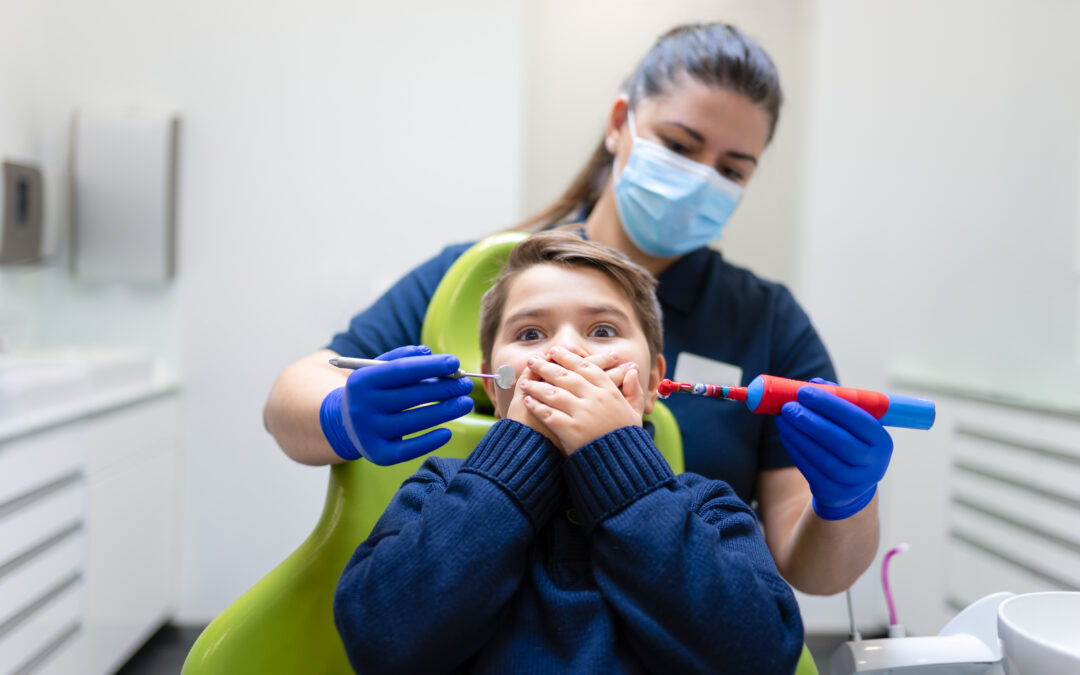
Children who start visiting the dentist early tend to be less anxious about dental care as they grow older. That first visit at age one isn’t about drilling or filling—it’s about getting comfortable in the dental chair, meeting the dentist and staff, and learning that the dentist’s office is a friendly, safe place. This positive early experience sets the tone for all future visits and helps prevent dental anxiety later in childhood.
Parent Education and Guidance
One of the most valuable aspects of that first dental visit is the education you receive as a parent. Your pediatric dentist will teach you proper brushing techniques for tiny teeth, discuss teething, explain how to prevent cavities, talk about thumb-sucking and pacifier use, and answer all your questions about your child’s developing smile. This knowledge empowers you to take care of your child’s teeth at home between appointments.
Monitoring Development
A pediatric dentist can track how your child’s teeth and jaw are developing, identifying potential issues with bite alignment, tooth spacing, or oral habits that might need attention as your child grows. Early detection means earlier intervention, which often leads to simpler, less invasive treatment options down the road.
What Happens During the First Visit?
If you’re nervous about bringing your baby or toddler to the dentist for the first time, knowing what to expect can help ease your worries. At Pike Pediatric Dentistry, the focus is on creating a gentle, stress-free experience for both children and parents.
The first visit is typically short and simple. Depending on your child’s age and comfort level, the exam might take place with your child sitting on your lap (often called a “lap exam”) or in the dental chair. Dr. Pike will gently examine your child’s mouth, checking the teeth, gums, jaw, and bite. She’ll look for any signs of decay, assess oral development, and make sure everything is growing as it should.
You’ll also receive personalized guidance on:
- Proper brushing and flossing techniques for young children
- Fluoride use and whether your child needs fluoride supplements
- Dietary habits that support healthy teeth
- Teething symptoms and how to manage them
- Breaking habits like thumb-sucking or prolonged pacifier use
- What to expect as more teeth come in
The goal is to make this visit informative and positive so that you feel confident caring for your child’s teeth and your child feels comfortable with the dentist.
What If My Child Is Older and Hasn’t Been to the Dentist Yet?
If your child is past their first birthday and hasn’t had a dental visit yet, don’t panic. It’s never too late to start. While earlier is ideal, the most important thing is scheduling that first appointment as soon as possible, no matter your child’s current age.
Many parents delay dental visits because their child seems fine—no complaints about tooth pain, no visible cavities, and generally good oral health. However, dental problems often don’t show obvious symptoms until they’re more advanced. A pediatric dentist can detect issues early, often before you or your child would notice anything wrong.
Additionally, if your child is older when they first visit the dentist, the pediatric dentist will take extra care to make the experience positive and non-threatening. Pediatric dentists specialize in working with children of all ages and temperaments, and they’re skilled at helping nervous or anxious kids feel at ease.
How Often Should Children Visit the Dentist?
After that important first visit, how often should your child return? The standard recommendation is every six months for routine checkups and cleanings. However, depending on your child’s individual needs such as a history of cavities, orthodontic concerns, or certain medical conditions—the pediatric dentist might recommend more frequent visits.
Regular dental appointments serve multiple purposes as your child grows:
- Professional cleanings remove plaque and tartar buildup that brushing alone can’t eliminate
- Routine exams catch cavities, gum problems, and developmental issues early
- Fluoride treatments strengthen tooth enamel and help prevent decay
- Dental sealants can protect vulnerable molars from cavities
- Monitoring ensures proper growth and development of teeth and jaws
Consistency matters. Children who see the dentist regularly from a young age develop healthy habits, maintain better oral health, and experience fewer dental problems as they get older.
Why Choose a Pediatric Dentist?
You might wonder whether you should take your child to your own general dentist or seek out a pediatric dentist specifically. While general dentists certainly see children, pediatric dentists have specialized training and experience that make them uniquely qualified to care for young patients.
A pediatric dentist completes dental school and then an additional two to three years of specialized training focused exclusively on treating infants, children, and adolescents. This training covers child psychology, behavior management, growth and development, and treating children with special needs. Pediatric dental offices are also designed with children in mind from the colorful, welcoming decor to the kid-friendly staff and child-sized equipment.
Dr. Talia Pike completed two years of specialty training in pediatric dentistry at Nova Southeastern University and has received additional training in hospital dentistry, oral conscious sedation, and treating children with special needs. Her expertise and gentle approach help even the most anxious children feel comfortable and safe.
Red Flags That Warrant an Immediate Dental Visit
While regular preventive visits should start by age one, certain situations call for seeing a pediatric dentist right away, regardless of your child’s age:
- Tooth pain or sensitivity that doesn’t go away
- Visible cavities or dark spots on teeth
- Swollen, red, or bleeding gums
- Injury to a tooth, whether it’s chipped, cracked, or knocked out
- Difficulty chewing or complaints about pain while eating
- Persistent bad breath that doesn’t improve with brushing
- White spots on teeth, which can be early signs of decay
If you notice any of these issues, don’t wait for the next scheduled appointment. Contact your pediatric dentist promptly so the problem can be addressed before it worsens.
Creating a Positive Dental Experience at Home
While professional dental care is essential, what you do at home matters just as much. Here are some ways to support your child’s oral health and create positive associations with dental care:
Start Oral Care Early
Even before your baby’s first tooth appears, you can gently wipe their gums with a soft, damp cloth after feedings. Once teeth come in, brush them twice a day with a soft-bristled, child-sized toothbrush and a smear of fluoride toothpaste (about the size of a grain of rice). Around age three, you can increase the amount to a pea-sized dollop.
Make Brushing Fun
Use songs, games, or timers to make brushing time enjoyable. Let your child pick out their own toothbrush featuring their favorite character. Brush your teeth together so they can mimic you. The more fun and normal brushing feels, the more likely your child will develop good habits.
Watch the Sugar
Limit sugary snacks and drinks, especially between meals. Bacteria in the mouth feed on sugar and produce acid that attacks tooth enamel. Water and milk are the best drink choices for children’s teeth.
Talk Positively About the Dentist
Avoid using dental visits as a threat or expressing your own dental anxiety around your child. Instead, speak about the dentist in positive, matter-of-fact terms. Read children’s books about going to the dentist to familiarize your child with what to expect.
Take the First Step Toward Lifelong Oral Health
Starting dental care early gives your child the best possible foundation for a lifetime of healthy smiles. That first visit by age one isn’t just a recommendation—it’s an investment in your child’s future health and wellbeing. Early dental visits prevent problems, build positive habits, and ensure your child grows up with strong, healthy teeth.
If your child hasn’t had their first dental visit yet, or if it’s time for their next checkup, now is the perfect time to schedule an appointment. Pike Pediatric Dentistry specializes in caring for infants, children, and adolescents in a warm, welcoming environment that puts both kids and parents at ease. The practice uses organic, natural, and gluten-free products whenever possible, and the child-friendly atmosphere makes every visit comfortable and stress-free.
Ready to give your child the gift of excellent oral health? Contact Pike Pediatric Dentistry today at (561) 347-7006 to schedule your child’s first dental visit or next checkup. Located in Boca Raton, Florida, Dr. Talia Pike and her experienced team are committed to helping your child develop a confident, healthy smile that lasts a lifetime. Don’t wait—start your child’s dental journey today.