
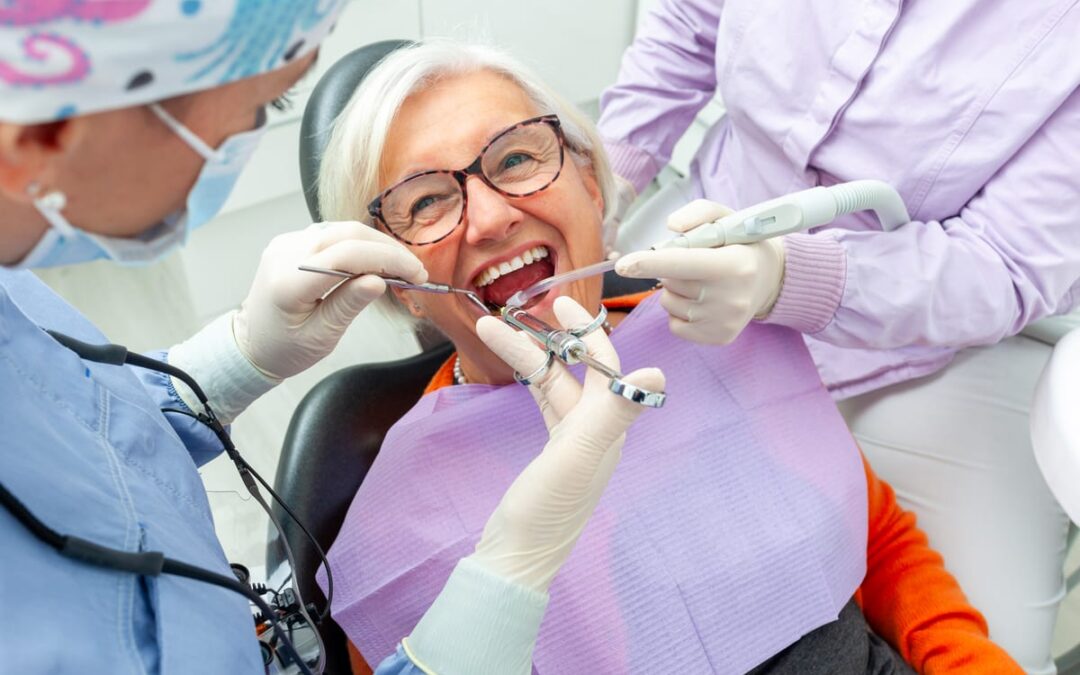
If your child just had a cavity filled, you probably have questions. Knowing what to expect after your child’s cavity treatment in Boca Raton can make the rest of the day much smoother. Dr. Talia Pike and the team at Pike Pediatric Dentistry want every parent to feel confident and prepared. This guide walks you through recovery, eating, comfort care, and warning signs to watch for.
Understanding the First Few Hours After Treatment
Most cavity fillings in young children involve local anesthesia. Your child’s cheek, gums, or tongue may feel numb for one to three hours after leaving the office. This is completely normal and will wear off gradually. Do not panic if your child says their mouth feels funny or swollen.
Young children sometimes bite or chew their numb lip or cheek without realizing it. This can cause painful sores that take a few days to heal. Watch your child closely during the numb period to prevent this. Keeping them distracted with a favorite activity helps.
Some children feel drowsy or cranky after a dental visit, especially if they were anxious beforehand. This is a normal emotional response to the experience. A quiet afternoon at home with comfort activities works well. Most kids bounce back quickly once numbness fades.
What Your Child Can Eat After a Cavity Filling
Diet is one of the most important parts of aftercare. For the first hour, your child should not eat or drink anything while still numb. Eating too soon risks accidental biting of numb tissue. Once feeling returns, soft foods are the safest choice.
Here are great soft food options for the hours right after treatment:
- Yogurt or applesauce
- Scrambled eggs or soft oatmeal
- Mashed potatoes or soft-cooked pasta
- Smoothies or cool (not cold) water
- Bananas or ripe avocado
Avoid hard, crunchy, or sticky foods for at least 24 hours. Sticky candies and chewy snacks can dislodge or damage new fillings. Extremely hot or cold foods may also cause sensitivity. Sticking to gentle foods protects the filling and keeps your child comfortable.
Managing Discomfort and Sensitivity After the Procedure
It is normal for children to feel mild soreness after a cavity filling. The gum tissue around the injection site may be tender for a day or two. Over-the-counter children’s pain relievers like ibuprofen or acetaminophen can help. Always follow the dosage instructions based on your child’s weight and age.
Tooth sensitivity to hot or cold temperatures is also common after a filling. This usually resolves within one to two weeks on its own. If sensitivity gets worse instead of better, contact Pike Pediatric Dentistry. Dr. Pike can check that the filling is properly placed and comfortable for your child.
Here are simple comfort tips to help your child at home:
- Offer lukewarm foods and drinks to reduce sensitivity
- Remind your child to chew on the opposite side of the mouth
- Use a soft-bristled toothbrush when brushing near the treated tooth
- Keep up with regular brushing and flossing gently around the filling
- Praise your child for being brave — positive reinforcement matters
Many children feel totally fine within 24 hours. Each child responds a little differently to dental treatment. Be patient and check in with your child throughout the day. Comfort and reassurance from a parent go a long way.
Helping Your Child Recover Emotionally After a Dental Visit
Physical recovery is only part of the picture. Dental anxiety in children is very real, and a filling appointment can feel stressful. After the visit, talk to your child about how proud you are of them. Celebrate their bravery in a small, meaningful way.
Avoid framing the dentist as a scary or punishing place. Use positive language when discussing what happened. Phrases like