
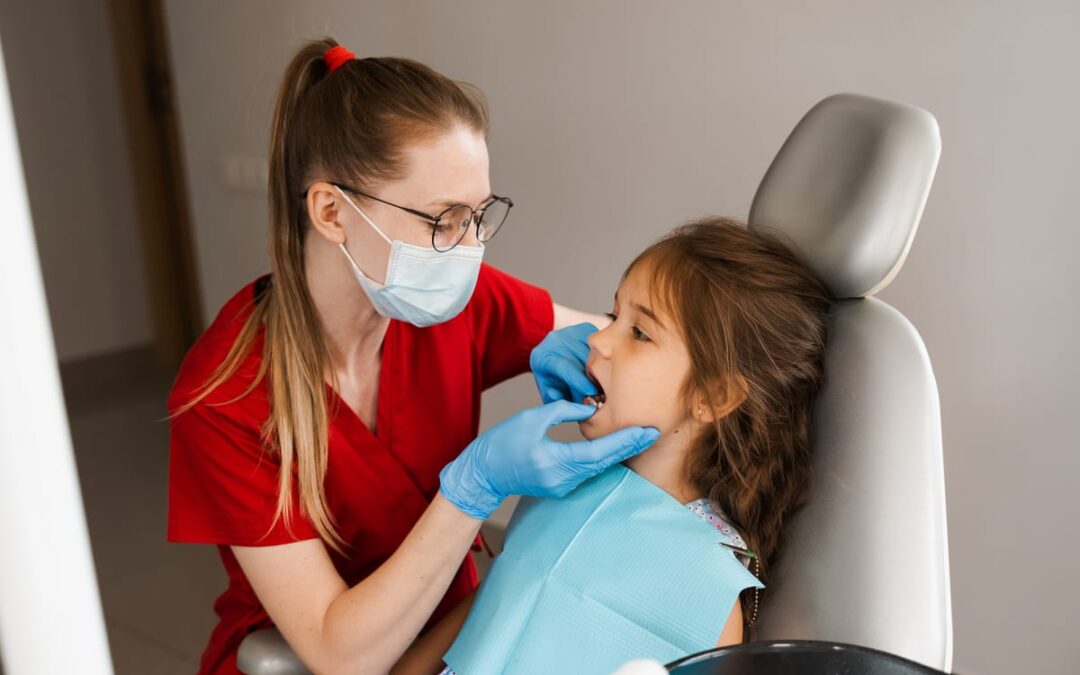
Many parents in Boca Raton ask the same question: when should your child stop using pacifiers? It is one of the most common concerns we hear at Pike Pediatric Dentistry. Pacifiers and thumb sucking are completely normal in infants and young toddlers. However, these habits can affect your child’s teeth and jaw development if they continue too long. Understanding the timeline and the dental risks helps you make informed decisions for your child’s smile.
Why Pacifiers and Thumb Sucking Are Normal Early On
Babies are born with a natural sucking reflex. This reflex helps them feed and also brings comfort and security. Pacifiers satisfy this need between feedings. Thumb sucking serves the same purpose and often starts even before birth.
During the first two years of life, these habits are considered completely harmless. Most dental professionals agree that non-nutritive sucking is developmentally healthy for infants. It can even reduce the risk of sudden infant death syndrome (SIDS) during sleep. Parents do not need to worry during this early stage.
The concern begins when the habit continues past a certain age. As your child’s teeth develop and their jaw grows, prolonged sucking can start to cause real changes. Knowing when to step in is key to protecting their long-term oral health.
When Should Your Child Stop Using Pacifiers in Boca Raton? The Key Age Window
Most pediatric dental experts recommend weaning children off pacifiers by age two to four. The American Academy of Pediatric Dentistry suggests stopping before age three when possible. This gives the mouth time to correct minor changes on its own. Primary teeth are still developing during this window, and the jaw is flexible.
Children who stop by age three rarely show lasting dental problems. The teeth and jaw can often self-correct once the habit ends. However, children who continue past age four face a higher risk of alignment issues. These problems may eventually require orthodontic treatment.
Thumb sucking follows a similar timeline. Many children naturally stop thumb sucking between ages two and four. If the habit continues into the school-age years, parents should discuss it with a pediatric dentist. Dr. Talia Pike helps Boca Raton families identify the right time to address these habits gently and effectively.
Dental Effects of Prolonged Pacifier Use and Thumb Sucking
Extended pacifier use and thumb sucking can lead to several dental concerns. The longer the habit continues, the more significant these effects may become. Here are the most common dental problems linked to prolonged sucking habits:
- Open bite: The front teeth do not meet when the mouth is closed.
- Overjet: The upper front teeth push forward beyond the lower teeth.
- Narrowing of the palate: The roof of the mouth becomes narrower than normal.
- Crossbite: The upper teeth sit inside the lower teeth on one or both sides.
- Speech issues: Misaligned teeth can affect how certain sounds are formed.
These changes happen gradually. Parents may not notice them right away. Regular dental visits help catch early signs before they become serious concerns. Early detection means easier and more affordable correction.
Thumb sucking can sometimes cause more dental shifting than pacifier use. This is because thumb pressure is stronger and more direct. A pacifier, by contrast, is slightly easier to wean because it is an external object you can remove. Both habits deserve attention if they continue past the recommended age.
How to Help Your Child Stop Without Conflict
Stopping a comfort habit takes patience and a positive approach. Forcing a child to stop abruptly can cause anxiety and make the habit harder to break. A gentle, consistent strategy works far better for young children.
Here are some parent-tested strategies that our team recommends:
- Choose the right moment: Avoid stopping during stressful events like moving or starting school.
- Use positive reinforcement: Praise your child for going without the pacifier or avoiding thumb sucking.
- Gradually limit use: Start by restricting the habit to bedtime only, then eliminate it slowly.
- Offer a comfort alternative: A favourite stuffed animal or blanket can replace the soothing feeling.
- Use gentle reminders: A bandage on the thumb or a special bracelet can serve as a subtle reminder.
- Involve your child: Let older toddlers help toss the pacifier away or give it to a younger baby.
Consistency matters more than speed. Small, steady steps lead to lasting success. Avoid shaming or punishing your child for the habit, as this can increase anxiety and make stopping harder.
If your child is struggling to stop, Dr. Talia Pike can provide professional guidance. A dental visit can also motivate children directly. Hearing advice from their dentist often carries more weight with children than hearing it from a parent.
What Pike Pediatric Dentistry Offers Boca Raton Families
At Pike Pediatric Dentistry, we support families through every stage of their child’s oral health journey. We offer a full range of Dental Services Boca Raton families trust, including habit counselling for pacifier and thumb sucking concerns. Dr. Talia Pike takes a warm, educational approach with every patient. Your child will never feel judged for their habit.
We also offer dental sealants, fluoride treatments, and early orthodontic assessments. If prolonged sucking has caused alignment changes, we can identify these early. Early intervention often reduces the need for extensive orthodontic work later. Our goal is always to protect your child’s smile proactively.
Boca Raton families consistently share positive experiences with our practice. You can read what parents are saying on our Testimonials Boca Raton page. We take pride in building long-term relationships with the families we serve. Every visit is designed to feel safe, fun, and stress-free for your child.
Conclusion: Small Steps Lead to a Healthier Smile
Pacifiers and thumb sucking are normal parts of early childhood. Most children will outgrow these habits on their own. However, habits that continue past age three or four can affect your child’s teeth and jaw development. Knowing when to gently step in makes a real difference.
If you are a parent in Boca Raton wondering when your child should stop using pacifiers, you are not alone. Dr. Talia Pike and the team at Pike Pediatric Dentistry are here to guide you with compassion and expertise. We make these conversations easy, judgment-free, and focused entirely on your child’s wellbeing. Book Now to schedule your appointment with our team.
Frequently Asked Questions
When should my child stop using a pacifier?
Most pediatric dentists recommend weaning children off pacifiers between ages two and four. Stopping before age three gives teeth and the jaw the best chance to self-correct. Children who stop by this age rarely experience lasting dental problems. Talk to your pediatric dentist if you are unsure about your child’s specific situation.
Does pacifier use cause permanent damage to my child’s teeth?
In most cases, damage caused by pacifier use before age four is not permanent. The teeth and jaw can often return to normal once the habit stops. However, habits that continue past age four carry a higher risk of lasting alignment issues. Early intervention and regular dental visits help prevent permanent changes.
Is thumb sucking worse for teeth than a pacifier?
Thumb sucking can sometimes cause more dental shifting because the thumb exerts direct and strong pressure. A pacifier is an external object and is generally easier to take away. Both habits can cause similar dental problems if they continue past the recommended age. Your pediatric dentist can assess your child’s individual situation.
How do I get my toddler to stop using a pacifier without a meltdown?
A gradual approach works best. Start by limiting pacifier use to sleep time only, then slowly reduce it further. Positive reinforcement, comfort alternatives, and involving your child in the process all help. Avoid punishment or shaming, as this can increase anxiety and make the habit harder to break.
Can Pike Pediatric Dentistry help if my child’s teeth have already shifted?
Yes. Dr. Talia Pike offers early dental assessments to identify any changes caused by prolonged sucking habits. If alignment issues are detected, early intervention options are available. Catching these changes early often leads to simpler and more effective treatment outcomes for your child.