by Pike Pediatric Dentistry | Feb 23, 2026 | Pediatric dentistry
Boca Raton is a city that sets high standards — in its schools, its neighborhoods, and the professionals its families trust with their children’s health. From the tree-lined streets of Broken Sound to the family-friendly communities surrounding Sugar Sand Park, parents here are thoughtful, engaged, and genuinely invested in giving their kids the best possible foundation in life.
That same intentionality absolutely applies when choosing a pediatric dentist. Your child’s early dental experiences don’t just affect their teeth — they shape their relationship with oral healthcare for the rest of their life. A child who feels safe, respected, and comfortable in the dental chair grows into an adult who shows up for regular care. A child who leaves an appointment in tears tends to carry that anxiety for decades.
So when it comes to finding a great pediatric dentist in Boca Raton, FL, the stakes are higher than most parents initially realize. Here are seven things that genuinely distinguish an exceptional children’s dental provider from an average one.
1. They’ve Invested in Specialized Pediatric Training — And It Shows
General dentists can treat children, but a board-certified pediatric dentist has completed two to three additional years of specialized residency training specifically focused on treating patients from infancy through adolescence. That training covers child psychology, behavior management, growth and development of the jaw and bite, and the management of dental conditions that are unique to developing teeth.
In a city like Boca Raton, where families have access to a wide range of healthcare providers, there’s no reason to settle for a general dentist who “also sees kids.” A specialist brings a depth of knowledge and a clinical approach calibrated specifically for young patients.
Ask directly: Is the dentist board-certified by the American Board of Pediatric Dentistry? That credential signals a commitment to the highest standard of care in the specialty — and it’s worth verifying before your first appointment.
2. The Office Environment Was Designed With Children in Mind
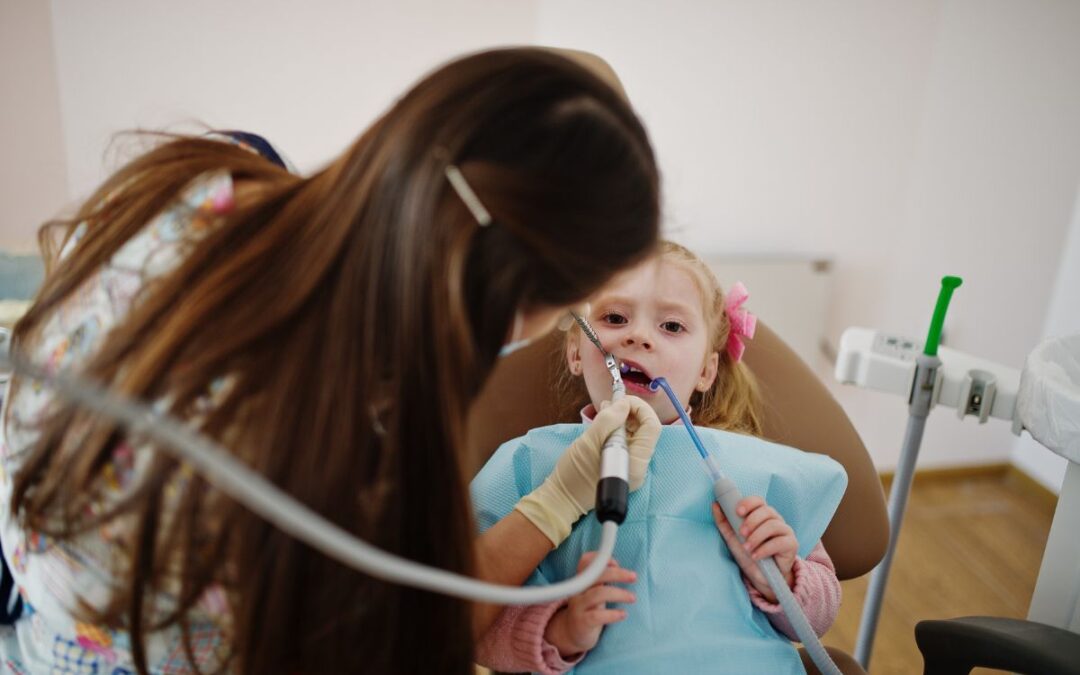
Walk into a great pediatric dental practice and you’ll know it immediately. The space feels nothing like a typical dental office. Bright colors, kid-scale furniture, engaging murals, a play area in the waiting room, TVs mounted on the ceiling above the dental chairs — these aren’t cosmetic extras. They’re deliberate design choices that reduce anxiety and make the entire experience feel less clinical and more approachable for young patients.
Children process their environment differently than adults. A space that feels safe, fun, and non-threatening communicates to a child’s nervous system that there’s nothing to fear here — before anyone has even picked up an instrument. That environmental comfort can make the difference between a child who cooperates during treatment and one who shuts down entirely.
The best pediatric dental offices in Boca Raton understand that the waiting room experience, the ceiling view from the dental chair, and even the scent of the office all contribute to how a child feels about going to the dentist.
3. The Team Knows How to Communicate With Kids — At Every Age
Treating a two-year-old requires an entirely different communication approach than treating a nervous eight-year-old or a self-conscious fourteen-year-old. Great pediatric dental teams are skilled in what’s called “tell-show-do” — explaining what they’re about to do in age-appropriate language, demonstrating it, and then gently proceeding. This approach builds trust and reduces the element of surprise that triggers fear in young patients.
Watch how the team interacts with your child from the very first moment. Do they get down to eye level? Do they speak directly to your child rather than talking over their head to you? Do they use simple, non-threatening language — “counting your teeth” instead of “doing an exam,” “tickle brush” instead of “drill”?
These techniques aren’t condescending — they’re developmentally appropriate and clinically effective. A pediatric dentist who communicates well with children gets better treatment outcomes because cooperative patients allow for more thorough, accurate care.
4. They Take a Prevention-First Approach to Children’s Oral Health
The goal of great pediatric dentistry isn’t just to fix problems — it’s to prevent them from developing in the first place. A prevention-focused practice spends as much time educating families as it does performing procedures, because the habits a child develops at home between visits have a far greater impact on their oral health than anything that happens in the office twice a year.
Look for a pediatric dentist in Boca Raton, FL who routinely offers:
- Dental sealants — protective coatings applied to the grooves of back molars where cavities most commonly develop
- Fluoride treatments — professionally applied fluoride that strengthens enamel and reduces decay risk
- Early orthodontic assessments — identifying bite and spacing issues before they become complex problems requiring extensive treatment
- Nutritional guidance — honest conversation about how diet, juice consumption, and snacking habits affect developing teeth
- Home care education — age-appropriate brushing and flossing instruction for both children and parents
A practice that invests in prevention saves families time, money, and discomfort in the long run. It also signals a provider who is genuinely invested in your child’s long-term health — not just their next appointment.
5. They’re Experienced in Managing Dental Anxiety and Special Needs
Dental anxiety in children is not a minor inconvenience — it’s a real clinical challenge that requires specific training, patience, and technique to manage effectively. The best pediatric dentists in Boca Raton are skilled in a range of behavior management approaches, from simple distraction and positive reinforcement to nitrous oxide sedation for children who need additional support to get through treatment comfortably.
For children with special healthcare needs — including autism spectrum disorder, sensory processing differences, ADHD, or physical disabilities — the bar is even higher. These children deserve providers who have genuine experience adapting their clinical approach, communication style, and office environment to meet individual needs rather than expecting every child to conform to a standard protocol.
Boca Raton’s diverse and growing population includes many families navigating these considerations. A pediatric dental practice that serves this community well should be equipped to serve all children within it — not just the most straightforward cases.
Ask prospective providers directly about their approach to anxious children and their experience with special needs patients. The specificity and thoughtfulness of their answer will tell you a great deal.
6. Parents Are Kept Informed and Included — Not Left Guessing
After your child’s appointment, you should leave with a clear understanding of their current oral health status, what was done during the visit, any areas of concern to monitor, and specific recommendations for home care. If treatment is recommended, you should receive a clear explanation of why it’s necessary, what the procedure involves, and what the consequences of delaying it would be.
A great pediatric dentist in Boca Raton, FL treats parents as partners in their child’s care — not as passive bystanders who simply write the check. That partnership looks like:
- Clear, jargon-free explanations of findings and recommendations
- Written treatment plans with costs outlined before any procedure is scheduled
- Honest guidance on what’s urgent versus what can be monitored over time
- Openness to questions without making parents feel rushed or dismissed
- Follow-up communication when needed between appointments
If you ever leave a pediatric dental appointment feeling confused about what happened or what comes next, that’s a communication gap worth addressing — or a signal that a different practice might serve your family better.
If you’re looking for a pediatric dental team in Boca Raton that genuinely prioritizes this kind of transparency and partnership with families, Pike Pediatric Dentistry has built its practice around exactly that philosophy.
7. Their Reputation in the Boca Raton Community Is Consistent and Earned
In a well-connected community like Boca Raton — where parents talk at pickup lines at Addison Mizner Elementary, at weekend events at Mizner Park, and in the neighborhood Facebook groups that cover every zip code from 33432 to 33496 — word-of-mouth about a pediatric dental practice travels fast. A truly exceptional practice earns its reputation organically, through years of consistently delivering care that families genuinely trust.
Online reviews are a useful starting point. Look for a practice with a substantial volume of reviews over time, not just a cluster of recent five-star ratings. Pay particular attention to what parents say about how their children responded to the experience — a child who leaves the dental office happy and willing to come back is the clearest possible signal of pediatric dental excellence.
Look for recurring themes across reviews — mentions of patient staff, thorough explanations, gentle treatment, and a calm environment carry far more weight than individual superlatives. And note how the practice responds to any negative feedback — professionally, respectfully, and with a genuine interest in resolution.
Recommendations from pediatricians, school nurses, and other parents in the community are equally valuable. Boca Raton’s healthcare community is interconnected, and a pediatric dental practice that’s well-regarded by other providers is one that’s earned that standing through consistent, ethical, quality care.
One More Thing: Make Sure the Logistics Work for Your Family
Even the most exceptional pediatric dentist in Boca Raton, FL won’t serve your family well if the practical details create constant friction. Consider whether the office hours work around school and activity schedules, how easy online scheduling is, how the practice handles dental emergencies, and whether the location is convenient to your home or your child’s school.
South Florida traffic is real — a practice that’s technically excellent but requires navigating Glades Road or US-1 during peak hours can quietly undermine your family’s consistency with appointments. Convenience isn’t a superficial consideration. It’s one of the most reliable predictors of whether families actually maintain the regular dental visits that protect their children’s oral health.
Finding the Right Pediatric Dentist Starts With One Appointment
The best pediatric dentist in Boca Raton for your family is the one where your child feels safe, your questions get answered, and you leave every appointment with confidence in the care being provided. That combination — clinical excellence, genuine child-centered communication, and transparent partnership with parents — is the standard worth holding out for.
Use these seven criteria as your guide. Schedule a new patient visit somewhere that feels right, ask the questions that matter to you, and trust your instincts about how the team engages with your child from the very first interaction.
When you’re ready to take that step, contact the team at Pike Pediatric Dentistry to schedule your child’s appointment. Because the right dental experience in childhood doesn’t just protect their smile today — it shapes how they think about their health for a lifetime.
by Pike Pediatric Dentistry | Feb 17, 2026 | Pediatric dentistry
It’s one of the most common questions Boca Raton parents ask before their child’s dental appointment, and it’s completely understandable. The word “extraction” sounds serious, and the last thing any parent wants is for their child to be in pain or walk away from the dentist with a fear that follows them for years. The reassuring truth is that modern pediatric dentistry has come a long way, and when done by an experienced pediatric specialist, a tooth extraction for a child is far more manageable than most parents anticipate.
Why a Child Might Need a Tooth Extraction
Before getting into what the experience feels like, it helps to understand why extractions happen in the first place. The most common reason a baby tooth needs to be pulled is severe decay that has progressed beyond what a filling or crown can repair. When a cavity is left untreated long enough, the infection can spread to the surrounding tissue and bone, at which point removing the tooth becomes the safest path forward.
Other reasons include overcrowding, where a primary tooth is blocking a permanent tooth from erupting properly, a tooth that has been significantly damaged by trauma, or a tooth that simply isn’t falling out on its own when it should. In all of these cases, the extraction is not a failure; it’s a solution that protects your child’s oral development and overall health.
The dental services at Pike Pediatric Dentistry in Boca Raton include extractions as part of a comprehensive range of treatments designed to address whatever a child’s smile needs — always with their comfort and confidence at the center of the experience.
What “Pain” Actually Means During an Extraction
Here’s the key distinction that most parents find genuinely reassuring once they understand it: your child will not feel pain during the extraction itself. What they may feel is pressure, and that’s a very different sensation.
Before the extraction begins, the area around the tooth is numbed thoroughly using a local anesthetic. Most pediatric dentists, including the team at Pike Pediatric Dentistry, first apply a topical numbing gel to the gum before the injection so your child barely feels the needle. Once the anesthetic takes effect, the tooth and surrounding tissue are completely numb. During the extraction, the dentist uses gentle rocking and rotating movements to loosen the tooth from its socket. Your child may feel that movement and pressure, but the nerve signals that carry pain are blocked entirely.
For younger children or those with significant dental anxiety, nitrous oxide commonly known as laughing gas is available to help them relax and feel at ease throughout the procedure. This is a mild, safe, and well-established option in pediatric dentistry that takes the edge off anxiety without putting a child to sleep.
What About After the Extraction?
The honest answer is that some mild soreness after the anesthetic wears off is normal and expected. The area that was worked on will be tender for a day or two, and this is easily managed with age-appropriate doses of children’s ibuprofen or acetaminophen. Most children bounce back surprisingly quickly — often within 24 to 48 hours — and are back to their normal selves well before parents expect.
The discomfort that follows an extraction is typically far less than the ongoing pain of a severely decayed or infected tooth that needed to come out. Many children actually feel noticeably better after an extraction because the source of the pressure and infection has been removed.
To support smooth healing at home, keep your child on soft foods for the first day or two, avoid hot liquids, and gently remind them not to touch the extraction site with their tongue or fingers. The team at Pike Pediatric Dentistry will send you home with clear post-procedure instructions so you know exactly what to expect and what to watch for.
How Pediatric Specialists Make the Difference
Not all dental extractions are created equal — and the experience a child has is almost entirely shaped by the skill, patience, and communication style of the person performing the procedure. This is where choosing a pediatric specialist rather than a general dentist makes a meaningful difference.
Dr. Talia Pike completed two years of specialty training in pediatric dentistry at Nova Southeastern University, with additional clinical experience at Joe DiMaggio Children’s Hospital and Broward General Medical Center. That training goes far beyond clinical technique — it covers child growth and development, behavior management, and how to communicate with children at every age in a way that keeps them calm and cooperative.
The “Tell-Show-Do” technique used at Pike Pediatric Dentistry is a cornerstone of this approach. Before anything is done, the dentist explains what is going to happen in simple, age-appropriate language, shows the child what the tools look and feel like, and only then proceeds. This removes the element of surprise that makes so many children anxious and replaces it with a sense of control and predictability.
“Dr. Pike is amazing! My daughter actually looks forward to going to the dentist. Her office is so welcoming. Her staff is super friendly and helpful. Dr. Pike is always so cheerful and always smiling. I’m so glad I decided to bring my daughter here!!” — C.stellino
That review speaks volumes. Three extractions — considered “difficult” by the parent — completed comfortably enough that the child was watching a movie throughout. That outcome is not unusual at a practice built specifically around making children feel safe.
Helping Your Child Feel Ready Beforehand
As a parent, the way you talk about the appointment at home plays a bigger role in how your child experiences it than most people realize. Children are remarkably perceptive, and they pick up anxiety from the adults around them quickly. Speaking about the appointment in a calm, matter-of-fact way without using words like “hurt,” “shot,” “pull,” or “drill” sets a neutral emotional tone that helps your child walk in without anticipatory fear.
It also helps to let your child know that the dentist is going to put something special on their tooth to make sure they don’t feel anything sharp, and that they can raise their hand at any time if they need a break. Giving children a sense of agency, even small, makes a significant difference in how they handle procedures.
For children in Boca Raton who have had difficult dental experiences in the past, Pike Pediatric Dentistry’s patient, unhurried approach combined with a child-friendly office environment designed to feel welcoming rather than clinical helps rebuild the trust that previous experiences may have eroded.
The Bottom Line for Boca Raton Families
A tooth extraction does not have to be a traumatic experience for your child. With proper numbing, the right behavior management techniques, an experienced pediatric specialist, and a calm, prepared parent in the waiting room, most children handle extractions far better than anyone expected. The pain, when it occurs at all, is mild, brief, and manageable — and it fades quickly as healing progresses.
If your child has a tooth that may need to come out, the best thing you can do is get it evaluated sooner rather than later. Waiting tends to make the underlying problem worse, which in turn makes treatment more involved. An early conversation with the team at Pike Pediatric Dentistry gives you a clear picture of what your child needs, what the experience will look like, and how to prepare them so that they walk out of the appointment with their confidence and their smile intact.
Contact Pike Pediatric Dentistry today to schedule your child’s appointment and take the first step toward comfortable, compassionate care right here in Boca Raton, FL.
by Pike Pediatric Dentistry | Feb 9, 2026 | Pediatric dentistry
Moving to a new city is exciting, but it also comes with its fair share of challenges—especially when it comes to finding healthcare providers you can trust. If you’ve recently relocated to Boca Raton, Florida, one of the first things on your to-do list should be finding a reliable dentist for you and your family. Whether you need routine checkups, pediatric dental care, or specialized treatments, having a trusted dental practice in your corner makes all the difference.
Here’s everything you need to know about finding the right dentist in Boca Raton and why starting your search early is so important.
Why Finding a Dentist Should Be a Priority
When you’re settling into a new home, dental care might not seem urgent—until you or your child has a toothache or dental emergency. That’s why it’s smart to establish a relationship with a dentist before you actually need one. Regular dental visits help prevent serious problems, catch issues early, and keep your smile healthy and bright.
For families with children, finding a pediatric dentist is especially important. Kids have unique dental needs, and a practice that specializes in working with young patients can make dental visits enjoyable rather than stressful. At Pike Pediatric Dentistry, the team understands how to create a welcoming, kid-friendly environment that helps children feel comfortable and excited about taking care of their teeth.
What to Look for in a Boca Raton Dentist
Not all dental practices are created equal. Here are some key factors to consider when searching for a dentist in your new neighborhood:
1. Location and Convenience
Living in Boca Raton means you’re likely juggling work, school schedules, and family activities. Choose a dental office that’s conveniently located near your home or your child’s school. This makes it easier to schedule appointments without disrupting your day. A practice that’s easy to reach means you’re more likely to keep up with regular checkups and won’t have to drive across town for emergency visits.
2. Services Offered
Different dental practices offer different services. Some focus on general dentistry, while others specialize in areas like pediatric care, orthodontics, or cosmetic procedures. If you have children, look for a practice that offers comprehensive pediatric services, including preventive care, cavity treatments, dental sealants, fluoride treatments, and education on proper oral hygiene.
Pediatric dentists receive specialized training to work with children from infancy through their teenage years. They know how to handle the specific dental challenges kids face, from teething troubles to tooth decay prevention. They also create a positive atmosphere that helps reduce dental anxiety in young patients.
3. Qualifications and Experience
Always check the dentist’s credentials. Are they board-certified? How long have they been practicing? Do they participate in continuing education to stay current with the latest techniques and technologies? A dentist who invests in ongoing learning is more likely to provide high-quality care.
For pediatric dentistry, look for practitioners who are members of professional organizations like the American Academy of Pediatric Dentistry. This shows their commitment to excellence in children’s dental health.
4. Office Atmosphere
The environment of a dental office matters, especially for children. A warm, welcoming space with friendly staff can turn a potentially scary experience into a positive one. Look for practices that have colorful waiting rooms, engage kids with activities or entertainment, and use language that’s age-appropriate and comforting.
5. Patient Reviews and Testimonials
One of the best ways to gauge whether a dental practice is right for you is by reading reviews from other patients. Real experiences from Boca Raton families can give you insight into what to expect. Here’s what some parents in the community have shared:
“As a new resident, I was worried about finding quality dental care for my son. The staff here went above and beyond to make us feel welcome. The office is clean, modern, and they take the time to answer all my questions.“ — Maria L
These testimonials highlight the importance of finding a practice that prioritizes patient comfort and delivers excellent care.
Understanding Your Dental Needs
Before you start calling dental offices, take a moment to think about your specific needs. Are you looking for:
- Routine preventive care like cleanings and checkups?
- Pediatric dentistry for your children?
- Emergency dental services for unexpected issues?
- Specialized treatments like sealants or fluoride applications?
Knowing what you need helps you ask the right questions when you contact dental practices. For families, a pediatric dental office that offers a full range of services under one roof can save time and make dental care more convenient.
Getting to Know Boca Raton’s Dental Community
Boca Raton is known for its excellent healthcare facilities and commitment to wellness. The city has a strong community of medical and dental professionals who take pride in serving local families. When you choose a dentist who’s been part of the Boca Raton community for years, you’re choosing someone who understands the area’s unique needs and values.
Local dental practices often participate in community events, school programs, and health fairs, showing their dedication to promoting oral health beyond the office walls. This community involvement is a good sign that you’re choosing a practice that truly cares about its patients.
Making Your First Appointment
Once you’ve narrowed down your options, it’s time to make that first appointment. When you call, pay attention to how the staff treats you. Are they friendly and helpful? Do they answer your questions clearly? The way you’re treated on the phone often reflects the level of care you’ll receive in person.
During your first visit, you’ll typically fill out paperwork about your medical history and insurance information. The dentist will perform an examination, possibly take X-rays, and discuss any concerns or treatment needs. This is also a great time to ask questions about the practice’s approach to dental care, their emergency policies, and how they handle anxious patients.
For children’s first visits, pediatric dentists often focus on making the experience fun and educational. They might give your child a tour of the office, let them sit in the dental chair, and explain what different tools do in kid-friendly terms. The goal is to build trust and establish a positive association with dental care.
Why Choose a Pediatric Dental Specialist
If you have children, you might wonder whether a general dentist or a pediatric specialist is the better choice. While general dentists can certainly treat children, pediatric dentists have additional years of specialized training focused exclusively on children’s dental development and behavior management.
Pediatric dentists understand how to communicate with kids at different developmental stages. They know how to make dental care fun and educational, helping children develop healthy habits that last a lifetime. They’re also trained to spot early signs of issues like misalignment or improper jaw development, allowing for early intervention when needed.
Take the Next Step for Your Family’s Dental Health
Finding a reliable dentist in Boca Raton doesn’t have to be overwhelming. By doing a little research, reading reviews, and visiting practices that feel like a good fit, you can find a dental home where your family will receive excellent care for years to come.
Whether you need a dental checkup for yourself or you’re looking for a pediatric dentist who will make your child’s visits enjoyable and stress-free, taking action now will give you peace of mind and protect your family’s smiles.
Ready to schedule your first appointment? Contact Pike Pediatric Dentistry today to experience compassionate, expert dental care in a welcoming environment. Your family’s healthy smiles start here!
by Pike Pediatric Dentistry | Feb 5, 2026 | Pediatric dentistry
February isn’t just about Valentine’s Day celebrations in Boca Raton—it’s also National Children’s Dental Health Month, a time dedicated to raising awareness about the importance of developing good oral hygiene habits early in life. While families throughout South Florida are planning fun activities at Sugar Sand Park or enjoying the beautiful weather at Red Reef Park, it’s the perfect opportunity to focus on something that will benefit your children for a lifetime: their dental health.
As parents, we want to give our children every advantage in life, and a healthy smile is one of the most important gifts we can provide. Good oral health affects not just their teeth, but their overall well-being, self-confidence, and even their ability to learn and thrive in school. Understanding how to protect those precious young smiles doesn’t have to be complicated, and this month is the ideal time to establish habits that will last a lifetime.
The comprehensive dental services available at pediatric dental practices today make it easier than ever to ensure your child receives the preventive care and education they need to maintain healthy teeth from infancy through adolescence.
Why Children’s Dental Health Deserves Special Attention
Children’s teeth face unique challenges that adult teeth don’t. Baby teeth, despite being temporary, play crucial roles in your child’s development that many parents don’t fully understand. These primary teeth do far more than just help kids chew their food they’re essential for proper speech development, maintaining space for permanent teeth, and guiding those adult teeth into their correct positions.
When baby teeth are lost prematurely due to decay or trauma, it can create spacing issues that lead to costly orthodontic problems later. The front baby teeth typically last until ages six or seven, but the back teeth (canines and molars) aren’t replaced until children reach 10 to 13 years old. That’s a long time for those teeth to perform their important functions, which is why keeping them healthy matters so much.
Beyond the physical aspects, childhood is when lifelong attitudes about dental care are formed. Children who have positive experiences with dental visits and who learn proper oral hygiene techniques early are far more likely to maintain those good habits into adulthood. Conversely, kids who develop dental anxiety or who don’t receive proper instruction often struggle with oral health issues throughout their lives.
Understanding What Causes Cavities in Children
Many Boca Raton parents are surprised to learn that cavities aren’t just caused by eating too much candy. While sugar certainly plays a role, the full picture is more complex and understanding it can help you protect your child’s teeth more effectively.
Cavities form when bacteria in the mouth break down the tooth’s enamel. These bacteria thrive on foods and drinks containing carbohydrates which includes not just obvious culprits like candy and soda, but also seemingly healthy options like fruit juices, crackers, and even milk. When bacteria are exposed to these sugars and starches, they release acids that attack tooth enamel. If these acids aren’t removed through proper brushing and flossing, they eventually break through the enamel and create cavities.
Here’s the key insight that changes how many parents approach their children’s diets: it’s not primarily about how much sugar your child consumes, but rather how frequently they’re exposed to it. A child who eats three balanced meals a day with minimal snacking will generally have better oral health than a child who constantly grazes throughout the day, even if the total sugar consumption is similar. This is because teeth need time to remineralizer between eating episodes, and constant snacking means teeth are under continuous acid attack.
The bacteria that cause decay are present in everyone’s mouth—they can’t be completely eliminated. However, their numbers and impact can be significantly reduced through daily flossing, proper brushing technique, and strategic dietary choices. Teaching your children these fundamentals during Children’s Dental Health Month sets them up for success.
The Power of Preventive Care: Sealants and Fluoride
One of the most effective ways parents can protect their children’s teeth is through preventive treatments that create a protective barrier against decay. Dental sealants are a particularly powerful tool that many parents don’t fully utilize.
A sealant is a thin protective coating applied to the chewing surfaces of back teeth, where cavities in children most commonly develop. The grooves and pits on these molars and premolars are natural traps for food particles and bacteria, and they’re difficult for children to clean thoroughly even with diligent brushing. Sealants act as a barrier, preventing food and bacteria from getting stuck in these vulnerable areas.
The application process is quick, painless, and requires no drilling or anesthesia. The tooth surface is cleaned, prepared with a special solution, dried, and then the sealant material is painted on and hardened with a curing light. The entire process takes just minutes per tooth, and sealants can last for several years, though they should be checked regularly at dental appointments.
Fluoride treatments offer another layer of protection by strengthening tooth enamel and making it more resistant to acid attacks. While fluoride is present in most municipal water supplies and toothpastes, professional fluoride applications at dental visits provide a concentrated dose that offers enhanced protection, especially for children at higher risk of cavities.
Creating a Home Oral Hygiene Routine That Actually Works
Establishing consistent oral hygiene habits at home is the foundation of good dental health, but getting children to brush and floss properly can feel like a constant battle for many Boca Raton families. The key is making it age-appropriate, consistent, and as enjoyable as possible.
For infants and toddlers: Begin cleaning your baby’s gums even before teeth appear by gently wiping them with a soft, damp cloth after feedings. Once teeth emerge, use a soft-bristled infant toothbrush with just a smear (rice grain-sized amount) of fluoride toothpaste. Make brushing a gentle, positive experience accompanied by songs or games.
For preschoolers (ages 3-5): Increase the toothpaste amount to a pea-sized portion and begin teaching your child to spit out the toothpaste rather than swallowing it. Most children this age lack the manual dexterity to brush effectively on their own, so parental assistance and supervision are essential. Let them “practice” brushing first, then follow up to ensure all surfaces are clean.
For school-age children (ages 6-12): Children typically develop the coordination needed for independent brushing around age six or seven, but supervision remains important to ensure they’re doing a thorough job. This is also the age when permanent molars begin erupting, making dental sealants particularly beneficial. Introduce flossing as soon as teeth touch each other, and help your child until they can manage it independently, usually around age 10.
For teens: Teenagers face unique oral health challenges, including increased cavity risk due to dietary changes, orthodontic appliances that make cleaning more difficult, and sometimes declining motivation for daily oral hygiene. Maintaining regular dental visits and emphasizing the social benefits of a healthy smile can help keep teens engaged in their oral health.
The most important factor across all ages is consistency. Brushing should happen twice daily for two full minutes morning and night. Setting a timer or using an electric toothbrush with a built-in timer helps ensure adequate brushing time. Flossing should occur at least once daily, preferably before bedtime.
Nutrition Strategies for Healthier Teeth
What your children eat and drink has a profound impact on their dental health, but you don’t need to eliminate all treats to protect their teeth. Smart nutrition strategies focus on timing, frequency, and making tooth-friendly choices when possible.
Meal planning for dental health: Encourage your children to eat three nutritious meals per day rather than constantly snacking. When they do snack, choose tooth-friendly options like cheese, vegetables, nuts, and yogurt rather than sticky, sugary foods that cling to teeth. If your child does eat something sugary or acidic, have them drink water afterward to help rinse away residue.
The drink dilemma: One of the biggest contributors to childhood cavities is frequent consumption of sugary drinks, including fruit juices, sports drinks, and sodas. Even 100% fruit juice, while nutritious in other ways, bathes teeth in sugar and acid. Limit these beverages to mealtimes when saliva production is higher and can help neutralize acids. Between meals, water and milk are the best choices for dental health.
Timing matters: If your child is going to have a treat, having it with or immediately after a meal is better than as a standalone snack. The increased saliva production during meals helps wash away sugars and neutralize acids more effectively.
The bedtime bottle problem: Never put your baby or toddler to bed with a bottle containing anything other than water. Milk, formula, and juice all contain sugars that pool around teeth during sleep when saliva production is low, creating an ideal environment for cavity-causing bacteria. This practice is a leading cause of early childhood cavities.
When to Schedule Your Child’s First Dental Visit
Many parents are unsure about when to bring their child to the dentist for the first time. The American Academy of Pediatric Dentistry recommends that children have their first dental visit by their first birthday or within six months of their first tooth erupting whichever comes first.
This early visit serves multiple purposes beyond just examining your baby’s teeth. It’s an opportunity for parents to learn proper oral care techniques for infants, discuss teething, get guidance on bottle use and pacifiers, and establish a dental home where your child will receive consistent care as they grow.
Early dental visits also help children become comfortable with the dental office environment before they’re old enough to develop anxiety about it. At Pike Pediatric Dentistry, the focus on creating a fun, caring environment helps even the youngest patients feel at ease. The practice offers desensitizing appointments essentially office tours where children can meet Dr. Pike and the staff, explore the treatment rooms, and become familiar with the equipment without any actual dental work being performed.
These “get to know you” visits can be incredibly valuable for anxious children or those who might be more apprehensive. When children see that the dental office is a friendly place where people care about them, future appointments become much easier.
Making Dental Visits Positive Experiences
Dental anxiety affects many children (and adults), but parents can do a lot to prevent it from developing in the first place or to address it if it already exists. How you talk about dental visits and what happens during those appointments significantly shapes your child’s attitude toward dental care.
Before the appointment: Use positive language when discussing the dentist. Avoid phrases like “it won’t hurt” or “don’t be scared,” which can actually introduce anxiety by suggesting there’s something to fear. Instead, frame dental visits as normal, positive experiences where the dentist counts and cleans teeth to keep them healthy and strong.
Read age-appropriate books about visiting the dentist or watch positive videos that show what to expect. Many pediatric dental offices, including Pike Pediatric Dentistry, have resources and recommendations for preparation materials.
During the appointment: Pediatric dentists use specialized techniques to help children feel comfortable. The “Tell-Show-Do” method is particularly effective—the dentist explains what will happen in child-friendly language, shows the child the instruments or materials that will be used (often demonstrating on the dentist’s hand or a puppet), and then proceeds with the actual treatment.
Positive reinforcement through compliments, praise, and small rewards helps build confidence and creates positive associations with dental visits. For children who are particularly anxious, options like nitrous oxide (laughing gas) can help them relax during treatment.
Parents are welcome to accompany their children during appointments, which can provide comfort and reassurance. However, it’s important to remain a silent, supportive observer and allow the dental team to communicate directly with your child. This helps build the child’s independence and allows the dentist to establish rapport and trust.
Special Considerations for Boca Raton Families
Families in the Boca Raton area have unique advantages when it comes to pediatric dental care. The community’s focus on health and wellness extends to dental health, with excellent pediatric specialists available and a strong emphasis on preventive care.
The area’s water supply is fluoridated, which provides baseline protection for developing teeth. However, if your family uses a reverse osmosis filtration system or primarily drinks bottled water, your children may not be getting adequate fluoride exposure. Discuss this with your pediatric dentist to determine if fluoride supplements might be appropriate.
Boca Raton’s active, outdoor lifestyle is wonderful for overall health, but remember that children involved in sports need proper mouth protection. Custom-fitted mouthguards provided by a pediatric dentist offer superior protection compared to over-the-counter options and can prevent serious dental injuries during sports activities.
The diversity of Boca Raton’s population means that pediatric dental practices here often have experience working with families from various cultural backgrounds and those who may have different approaches to healthcare. Finding a practice that respects your family’s values while providing evidence-based care is important for long-term success.
Addressing Common Pediatric Dental Concerns
Parents often have questions or concerns about specific dental issues their children might face. Understanding these common problems helps you know when to seek professional care and what to expect.
Thumb sucking and pacifier use: Most children naturally outgrow these habits by age four. If the habit persists beyond age five or six, when permanent teeth begin erupting, it can affect tooth alignment and jaw development. Your pediatric dentist can provide guidance and, if necessary, appliances to help break the habit.
Teeth grinding (bruxism): Many children grind their teeth during sleep, which is often related to growth and development. While it can be concerning to parents, it usually resolves on its own. However, significant grinding that causes tooth damage or jaw pain should be evaluated.
White spots on teeth: White spots can indicate early enamel breakdown or fluorosis (excessive fluoride exposure during tooth development). They may also result from enamel hypoplasia, where enamel didn’t form properly. Modern treatments can often improve the appearance of these spots while preventing further damage.
Dental emergencies: Knocked-out baby teeth typically aren’t reimplanted, but the area should be evaluated to ensure no damage to the underlying permanent tooth. Knocked-out permanent teeth need immediate attention—keep the tooth moist and get to a dentist within 30 minutes if possible. For chipped or broken teeth, save any fragments and schedule an appointment promptly.
The Role of Genetics and Individual Risk Factors
While good oral hygiene and diet are crucial, genetics also play a role in dental health. Some children are simply more prone to cavities than others, even with excellent care. Understanding your child’s individual risk factors helps you and your dentist develop the most effective prevention strategy.
Children who are at higher risk for cavities may benefit from more frequent professional cleanings, additional fluoride treatments, or earlier application of sealants. Dr. Pike takes an individualized approach to each patient, recognizing that not every child needs the same treatment frequency or interventions.
Certain medical conditions or medications can also affect oral health. Children with asthma who use inhalers, those taking medications that cause dry mouth, or kids with conditions affecting their immune systems may need modified oral care routines and closer dental monitoring.
Making This February Count
Children’s Dental Health Month provides the perfect opportunity to reset your family’s oral health habits and ensure your children are on track for healthy smiles. Whether you’re scheduling overdue checkups, establishing better brushing routines at home, or simply learning more about how to protect your children’s teeth, taking action this month creates momentum that can last all year.
Consider making February your month for dental focus by scheduling appointments for all family members, upgrading toothbrushes, implementing a new reward system for consistent brushing and flossing, or even visiting your local library to check out books about dental health that you can read together.
Small changes implemented consistently can have remarkable long-term effects. When children understand why oral health matters and have the tools and support to maintain it, they develop habits that benefit them throughout their lives.
Taking the Next Step for Your Child’s Smile
This Children’s Dental Health Month, commit to giving your child the gift of optimal oral health. Whether your little one needs their first dental visit, it’s time for a regular checkup, or you have concerns about your child’s teeth that you’d like to address, now is the perfect time to take action.
The specialized pediatric dental team understands that every child is unique, with different needs, temperaments, and oral health challenges. From the gentlest care for infants to comprehensive treatment for teens, the focus remains on prevention, education, and creating positive dental experiences that set children up for a lifetime of healthy smiles.
Don’t let another month pass without ensuring your child receives the dental care they deserve. The habits and care established during childhood shape oral health outcomes for decades to come. Contact Pike Pediatric Dentistry today to schedule an appointment or office tour, and take the first step toward protecting your child’s smile this Children’s Dental Health Month and beyond. Your future adult child—with a confident, healthy smile—will thank you for the investment you make in their oral health today.
by Pike Pediatric Dentistry | Jan 27, 2026 | Pediatric dentistry
As a parent, you want to do everything right when it comes to your child’s health. You’ve researched car seats, baby-proofed the house, and kept up with all the pediatrician appointments. But when it comes to dental care, many parents find themselves wondering: when exactly should my child first see a dentist? Is it when they start teething? After all their baby teeth come in? Or should you wait until they’re older?
The answer might surprise you. According to dental health experts and organizations like the American Academy of Pediatric Dentistry, your child should have their first dental visit much earlier than most parents expect. Understanding when and why to start pediatric dental care can set your child up for a lifetime of healthy smiles.
The First Dental Visit: Earlier Than You Think
The recommended age for a child’s first dental visit is by their first birthday or within six months after their first tooth appears whichever comes first. If your baby gets their first tooth at six months old, you should schedule that initial appointment around their first birthday. If teeth come in earlier or later, adjust accordingly, but don’t wait past 12 months.
This timeline surprises many parents who assume dental visits can wait until all the baby teeth are in or until their child is a toddler. But Dr. Talia Pike, a board certified pediatric dentist in Boca Raton, emphasizes that early dental visits are about much more than just checking teeth. They’re about establishing a foundation for lifelong oral health and creating positive associations with dental care from the very beginning.
Why Start Dental Visits So Early?
You might be thinking, “My baby only has a couple of teeth. What’s the point of a dental visit?” That’s a fair question, and the answer has several important layers.
Catching Problems Before They Start
Even baby teeth can develop cavities, and decay can happen surprisingly quickly in young children. Early Childhood Caries, sometimes called “baby bottle tooth decay,” can affect infants and toddlers who are frequently exposed to sugary liquids like milk, formula, or juice especially if a bottle is used at bedtime or naptime. By bringing your child in early, the pediatric dentist can spot warning signs and provide guidance to prevent these issues.
Building Comfort and Trust
Children who start visiting the dentist early tend to be less anxious about dental care as they grow older. That first visit at age one isn’t about drilling or filling—it’s about getting comfortable in the dental chair, meeting the dentist and staff, and learning that the dentist’s office is a friendly, safe place. This positive early experience sets the tone for all future visits and helps prevent dental anxiety later in childhood.
Parent Education and Guidance
One of the most valuable aspects of that first dental visit is the education you receive as a parent. Your pediatric dentist will teach you proper brushing techniques for tiny teeth, discuss teething, explain how to prevent cavities, talk about thumb-sucking and pacifier use, and answer all your questions about your child’s developing smile. This knowledge empowers you to take care of your child’s teeth at home between appointments.
Monitoring Development
A pediatric dentist can track how your child’s teeth and jaw are developing, identifying potential issues with bite alignment, tooth spacing, or oral habits that might need attention as your child grows. Early detection means earlier intervention, which often leads to simpler, less invasive treatment options down the road.
What Happens During the First Visit?
If you’re nervous about bringing your baby or toddler to the dentist for the first time, knowing what to expect can help ease your worries. At Pike Pediatric Dentistry, the focus is on creating a gentle, stress-free experience for both children and parents.
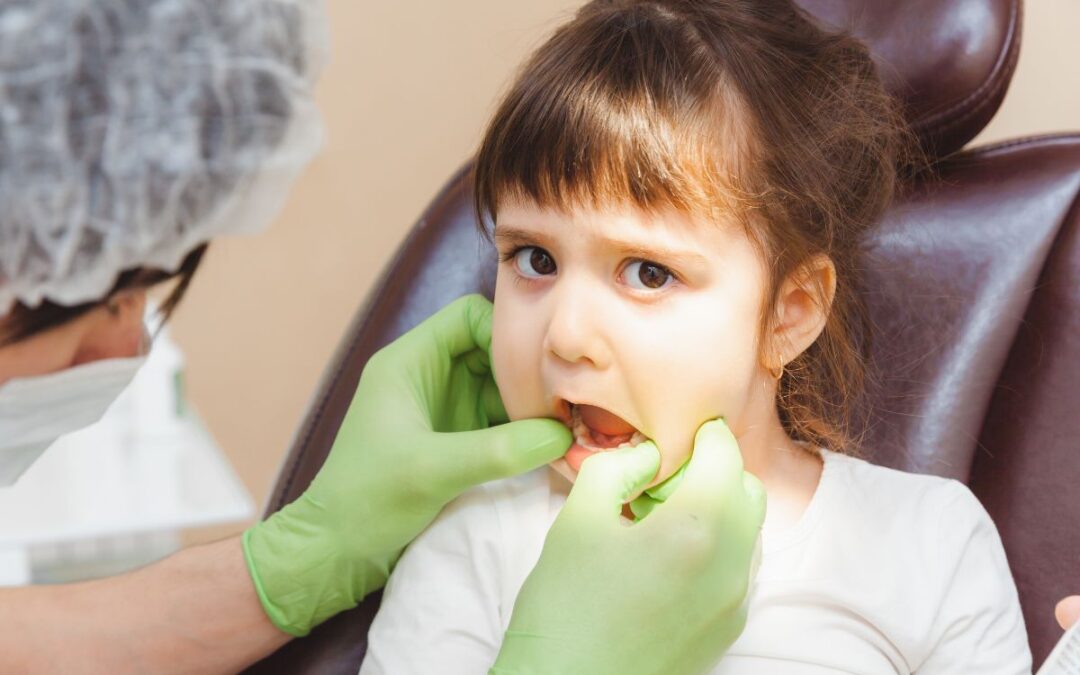
The first visit is typically short and simple. Depending on your child’s age and comfort level, the exam might take place with your child sitting on your lap (often called a “lap exam”) or in the dental chair. Dr. Pike will gently examine your child’s mouth, checking the teeth, gums, jaw, and bite. She’ll look for any signs of decay, assess oral development, and make sure everything is growing as it should.
You’ll also receive personalized guidance on:
- Proper brushing and flossing techniques for young children
- Fluoride use and whether your child needs fluoride supplements
- Dietary habits that support healthy teeth
- Teething symptoms and how to manage them
- Breaking habits like thumb-sucking or prolonged pacifier use
- What to expect as more teeth come in
The goal is to make this visit informative and positive so that you feel confident caring for your child’s teeth and your child feels comfortable with the dentist.
What If My Child Is Older and Hasn’t Been to the Dentist Yet?
If your child is past their first birthday and hasn’t had a dental visit yet, don’t panic. It’s never too late to start. While earlier is ideal, the most important thing is scheduling that first appointment as soon as possible, no matter your child’s current age.
Many parents delay dental visits because their child seems fine—no complaints about tooth pain, no visible cavities, and generally good oral health. However, dental problems often don’t show obvious symptoms until they’re more advanced. A pediatric dentist can detect issues early, often before you or your child would notice anything wrong.
Additionally, if your child is older when they first visit the dentist, the pediatric dentist will take extra care to make the experience positive and non-threatening. Pediatric dentists specialize in working with children of all ages and temperaments, and they’re skilled at helping nervous or anxious kids feel at ease.
How Often Should Children Visit the Dentist?
After that important first visit, how often should your child return? The standard recommendation is every six months for routine checkups and cleanings. However, depending on your child’s individual needs such as a history of cavities, orthodontic concerns, or certain medical conditions—the pediatric dentist might recommend more frequent visits.
Regular dental appointments serve multiple purposes as your child grows:
- Professional cleanings remove plaque and tartar buildup that brushing alone can’t eliminate
- Routine exams catch cavities, gum problems, and developmental issues early
- Fluoride treatments strengthen tooth enamel and help prevent decay
- Dental sealants can protect vulnerable molars from cavities
- Monitoring ensures proper growth and development of teeth and jaws
Consistency matters. Children who see the dentist regularly from a young age develop healthy habits, maintain better oral health, and experience fewer dental problems as they get older.
Why Choose a Pediatric Dentist?
You might wonder whether you should take your child to your own general dentist or seek out a pediatric dentist specifically. While general dentists certainly see children, pediatric dentists have specialized training and experience that make them uniquely qualified to care for young patients.
A pediatric dentist completes dental school and then an additional two to three years of specialized training focused exclusively on treating infants, children, and adolescents. This training covers child psychology, behavior management, growth and development, and treating children with special needs. Pediatric dental offices are also designed with children in mind from the colorful, welcoming decor to the kid-friendly staff and child-sized equipment.
Dr. Talia Pike completed two years of specialty training in pediatric dentistry at Nova Southeastern University and has received additional training in hospital dentistry, oral conscious sedation, and treating children with special needs. Her expertise and gentle approach help even the most anxious children feel comfortable and safe.
Red Flags That Warrant an Immediate Dental Visit
While regular preventive visits should start by age one, certain situations call for seeing a pediatric dentist right away, regardless of your child’s age:
- Tooth pain or sensitivity that doesn’t go away
- Visible cavities or dark spots on teeth
- Swollen, red, or bleeding gums
- Injury to a tooth, whether it’s chipped, cracked, or knocked out
- Difficulty chewing or complaints about pain while eating
- Persistent bad breath that doesn’t improve with brushing
- White spots on teeth, which can be early signs of decay
If you notice any of these issues, don’t wait for the next scheduled appointment. Contact your pediatric dentist promptly so the problem can be addressed before it worsens.
Creating a Positive Dental Experience at Home
While professional dental care is essential, what you do at home matters just as much. Here are some ways to support your child’s oral health and create positive associations with dental care:
Start Oral Care Early
Even before your baby’s first tooth appears, you can gently wipe their gums with a soft, damp cloth after feedings. Once teeth come in, brush them twice a day with a soft-bristled, child-sized toothbrush and a smear of fluoride toothpaste (about the size of a grain of rice). Around age three, you can increase the amount to a pea-sized dollop.
Make Brushing Fun
Use songs, games, or timers to make brushing time enjoyable. Let your child pick out their own toothbrush featuring their favorite character. Brush your teeth together so they can mimic you. The more fun and normal brushing feels, the more likely your child will develop good habits.
Watch the Sugar
Limit sugary snacks and drinks, especially between meals. Bacteria in the mouth feed on sugar and produce acid that attacks tooth enamel. Water and milk are the best drink choices for children’s teeth.
Talk Positively About the Dentist
Avoid using dental visits as a threat or expressing your own dental anxiety around your child. Instead, speak about the dentist in positive, matter-of-fact terms. Read children’s books about going to the dentist to familiarize your child with what to expect.
Take the First Step Toward Lifelong Oral Health
Starting dental care early gives your child the best possible foundation for a lifetime of healthy smiles. That first visit by age one isn’t just a recommendation—it’s an investment in your child’s future health and wellbeing. Early dental visits prevent problems, build positive habits, and ensure your child grows up with strong, healthy teeth.
If your child hasn’t had their first dental visit yet, or if it’s time for their next checkup, now is the perfect time to schedule an appointment. Pike Pediatric Dentistry specializes in caring for infants, children, and adolescents in a warm, welcoming environment that puts both kids and parents at ease. The practice uses organic, natural, and gluten-free products whenever possible, and the child-friendly atmosphere makes every visit comfortable and stress-free.
Ready to give your child the gift of excellent oral health? Contact Pike Pediatric Dentistry today at (561) 347-7006 to schedule your child’s first dental visit or next checkup. Located in Boca Raton, Florida, Dr. Talia Pike and her experienced team are committed to helping your child develop a confident, healthy smile that lasts a lifetime. Don’t wait—start your child’s dental journey today.
by Pike Pediatric Dentistry | Jan 20, 2026 | Pediatric dentistry
As a parent, you want to ensure your child grows up with a healthy, beautiful smile. One of the most common questions parents ask is: “When should my child first visit a pediatric dentist?” The answer might surprise you it’s much earlier than many parents expect. Understanding the right timing for your child’s first dental visit can set the foundation for a lifetime of excellent oral health and positive dental experiences.
Establishing good dental habits early is crucial for preventing cavities and other oral health issues that can affect your child’s overall development, speech, and self-confidence. Whether you’re a first-time parent or already have older children, knowing when and why to schedule that first appointment can make all the difference in your child’s dental journey.
The First Birthday Rule: Why Earlier Is Better
The American Academy of Pediatric Dentistry recommends that children have their first dental visit by their first birthday or within six months after their first tooth erupts whichever comes first. This guideline often catches parents off guard, as many assume dental visits should begin when children are older or have a full set of teeth.
The reason for this early timing is simple: prevention. Baby teeth typically begin emerging around six months of age, and as soon as teeth appear, they’re vulnerable to decay. Early childhood cavities, also known as baby bottle tooth decay, can develop surprisingly quickly if proper oral hygiene isn’t established from the start.
These initial visits aren’t just about examining tiny teeth. They’re educational opportunities where pediatric dentists teach parents how to care for their infant’s emerging teeth, discuss proper nutrition for oral health, address thumb-sucking or pacifier habits, and establish a dental home where your child can receive comprehensive dental services throughout their childhood.
What Happens During a Baby’s First Dental Visit?
If you’re wondering what a pediatric dentist could possibly do for a child with only a few teeth, you’ll be pleasantly surprised by how valuable this appointment can be. The first visit is typically short, gentle, and designed to make both you and your baby comfortable.
During this initial appointment, the pediatric dentist will conduct a “lap exam” where your child sits on your lap while the dentist gently examines their mouth, gums, and any emerging teeth. This position helps your child feel secure while allowing the dentist to get a clear view of their oral development.
The dentist will check for signs of early decay, assess oral development and bite alignment, examine the tongue, gums, and soft tissues for any abnormalities, and discuss teething symptoms and how to manage discomfort. Most importantly, this visit establishes trust between your child and their dental team, setting the stage for positive dental experiences in the future.
You’ll also receive personalized guidance on brushing techniques for babies and toddlers, fluoride recommendations for your child’s age, dietary advice to prevent cavities, information about teething and oral development milestones, and tips for breaking thumb-sucking or pacifier habits when the time is right.
Toddler Years: Building Healthy Habits
Once your child reaches the toddler stage, regular dental visits become even more important. Between the ages of one and three, children are developing eating habits, gaining independence with brushing, and experiencing significant oral development as more teeth emerge.
During the toddler years, pediatric dentists focus on preventive care and education. These visits typically include a gentle cleaning and polishing of teeth, fluoride treatments to strengthen enamel, demonstration of proper brushing techniques, and discussion of age-appropriate oral hygiene practices.
This is also the time when parents learn about common pediatric dental issues such as cavities caused by frequent snacking or sugary drinks, tooth grinding during sleep, injuries to baby teeth from falls or accidents, and speech development concerns related to oral health.
At practices that specialize in children’s dentistry, the team understands that toddlers can be unpredictable and sometimes anxious. Pediatric dentists like Dr. Talia Pike use child-friendly techniques such as “Tell-Show-Do” to help young patients feel comfortable and engaged during their appointments. They explain what they’re going to do, show the child the tools they’ll use, and then gently perform the procedure, all while offering positive reinforcement and praise.
Preschool and School-Age Children: Establishing Independence
As children enter preschool and elementary school, their dental needs evolve. This is when preventive treatments like dental sealants become important for protecting permanent molars from cavities. It’s also when children begin taking more responsibility for their own oral hygiene, though parental supervision remains essential.
School-age children should visit the pediatric dentist every six months for routine checkups and cleanings. These regular visits serve multiple purposes: they monitor the transition from baby teeth to permanent teeth, identify orthodontic concerns early, apply protective sealants to cavity-prone back teeth, and reinforce good brushing and flossing habits.
During these years, cavities are a common concern. In fact, tooth decay is one of the most prevalent childhood diseases, affecting millions of children each year. Regular dental visits at Pike Pediatric Dentistry help catch cavities early when they’re easier and less invasive to treat. The practice focuses on education and prevention, teaching children how bacteria, sugars, and acids work together to cause decay, and empowering them to make healthier choices.
When treatment is needed, pediatric dentists offer a range of services designed specifically for children, including tooth-colored fillings that blend naturally with teeth, stainless steel crowns for more extensive decay, and gentle sedation options for anxious children or complex procedures.
Special Circumstances: When to Schedule Extra Visits
While regular six-month checkups are the standard recommendation, there are certain situations when you should schedule an appointment sooner. These include persistent tooth pain or sensitivity, visible cavities or dark spots on teeth, swollen, bleeding, or red gums, a knocked-out or severely chipped tooth, difficulty chewing or eating, jaw clicking or pain, or persistent bad breath despite good oral hygiene.
Children who participate in contact sports should also see a pediatric dentist about getting a custom mouthguard to protect their teeth from injury. Unlike store-bought options, custom mouthguards fit properly and provide superior protection.
Additionally, if your child has special healthcare needs or takes medications that affect oral health, more frequent dental visits may be necessary. Pediatric dentists are specially trained to work with children of all abilities and health conditions, ensuring every child receives the compassionate, comprehensive care they deserve.
Why Choose a Pediatric Dentist Over a General Dentist?
You might wonder whether your child needs to see a pediatric dentist specifically or if a general family dentist would suffice. While both are qualified to treat children, pediatric dentists have completed an additional two to three years of specialized training focused exclusively on children’s dental needs.
This specialized training means pediatric dentists understand child psychology and behavior management, developmental stages of teeth and oral structures, unique pediatric dental conditions, and how to create a child-friendly, non-threatening environment. They also use techniques specifically designed to help nervous or anxious children feel comfortable and safe.
Pediatric dental offices are designed with children in mind, featuring colorful decor, toys, games, and staff trained to communicate with children at their level. This child-centered approach helps reduce dental anxiety and creates positive associations with dental care that can last a lifetime.
The Long-Term Benefits of Early Dental Care
Starting dental visits early and maintaining regular appointments throughout childhood offers benefits that extend far beyond just having cavity-free teeth. Children who receive consistent pediatric dental care are more likely to maintain good oral health into adulthood, have fewer emergency dental visits, develop positive attitudes toward dental care, understand the connection between oral health and overall health, and avoid costly and painful dental problems later in life.
Primary teeth play a crucial role in your child’s development. They help with proper chewing and nutrition, guide permanent teeth into correct positions, support normal speech development, and contribute to facial structure and appearance. Neglecting baby teeth can lead to problems that affect permanent teeth and require extensive orthodontic treatment down the road.
By establishing a dental home early and maintaining regular visits, you’re investing in your child’s long-term health and well-being. You’re also teaching them that dental care is a normal, important part of taking care of their body a lesson they’ll carry with them throughout their lives.
Creating Positive Dental Experiences
One of the most valuable aspects of taking your child to a pediatric dentist from an early age is that it helps them develop a positive relationship with dental care. Children who start visiting the dentist as infants or toddlers, before any problems arise, are much less likely to develop dental anxiety or fear.
Pediatric dentists understand that a child’s early experiences shape their lifelong attitudes toward dental health. That’s why they take extra time to make visits fun, educational, and stress-free. They use age-appropriate language, celebrate small victories, and reward cooperation with praise and small prizes. Parents are welcome to accompany their children during appointments, providing comfort and support while also learning proper home care techniques.
At Pike Pediatric Dentistry, the team believes it’s a privilege to treat children and make a positive difference in their lives through excellent oral health care. Their child-friendly environment and compassionate approach help even the most nervous children feel comfortable and safe.
Take the First Step Today
If your child hasn’t had their first dental visit yet, or if it’s been more than six months since their last checkup, now is the perfect time to schedule an appointment. Early dental care is one of the best investments you can make in your child’s health and future.
Whether your infant is just cutting their first tooth or your school-age child needs a routine cleaning and checkup, the experienced team at Pike Pediatric Dentistry in Boca Raton is here to provide exceptional care in a warm, welcoming environment. Don’t wait for a problem to arise contact us today to schedule your child’s appointment and start them on the path to a lifetime of healthy, beautiful smiles.