
by Pike Pediatric Dentistry | May 8, 2026 | Pediatric dentistry
Kids complain about aches and pains all the time. Sometimes it is a scraped knee after playing outside. Sometimes it is a sore throat before bed. But when a child keeps mentioning the same tooth hurting day after day, parents usually know something is not right.
Maybe your child suddenly stops eating crunchy snacks they used to love. Maybe bedtime has become harder because the pain feels stronger at night. Some children even become cranky or quiet without fully understanding how to explain what they are feeling.
When tooth pain does not go away, many parents decide it is time for a professional evaluation — especially once the discomfort starts affecting eating, sleeping, or school routines. Families throughout Boca Raton and nearby South Florida communities often visit a pediatric dentist for these concerns.
Understanding what ongoing tooth pain may mean can help parents know when to seek care and what steps to take next.
Persistent Tooth Pain Usually Means Something Needs Attention
Children may not always explain dental discomfort clearly.
Some point directly to the painful tooth, while others only say their mouth feels “funny” or sensitive. Younger children especially may struggle to describe the difference between gum pain, tooth sensitivity, or pressure.
Parents often notice warning signs like:
- Avoiding cold foods or drinks
- Chewing only on one side
- Complaining more at bedtime
- Rubbing the jaw or cheek
- Crying while brushing teeth
- Becoming irritated during meals
If the discomfort continues for more than a day or two, it is usually worth having the area examined.
Common Causes of Tooth Pain in Children
Several different dental issues can cause ongoing discomfort in kids.
Cavities
Cavities are one of the most common reasons children develop tooth pain.
When decay moves deeper into the tooth, sensitivity often becomes stronger. Some children notice pain with sweets, while others react more to hot or cold foods.
At first, the discomfort may come and go. Over time, it can become more constant if the cavity is left untreated.
Food Stuck Between Teeth
Sometimes something simple, like popcorn kernels or sticky candy, can irritate the gums and create pressure between teeth.
Gentle flossing may solve the issue, but lingering discomfort should still be checked professionally.
Loose Baby Teeth or Incoming Adult Teeth
As children grow, it is normal for teeth to loosen and adult teeth to begin erupting.
Mild soreness is common during this stage, but severe or lingering pain usually is not.
Minor Dental Injuries
Kids are active, and not every dental injury is obvious right away.
A bump to the mouth during sports, playground activities, or rough play can lead to sensitivity that develops later. Some children may not even mention the accident until discomfort worsens.
Infection or Abscess
Persistent pain combined with swelling, fever, or a bad taste in the mouth may signal an infection.
Dental infections should be treated promptly because they typically do not improve on their own.
Signs Parents Should Schedule a Dental Visit Soon
Some symptoms should not wait too long for evaluation.
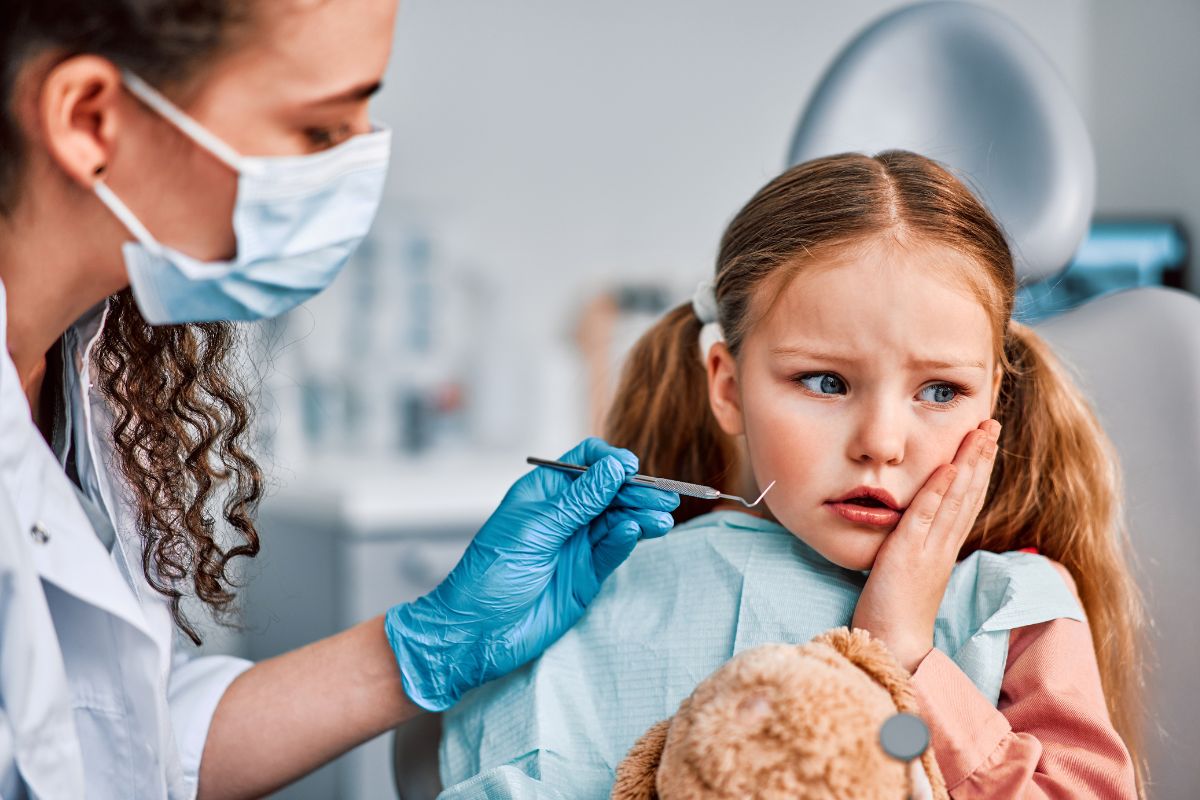
Parents should contact a pediatric dentist if their child has:
- Tooth pain lasting several days
- Swelling around the gums or face
- Fever along with mouth pain
- Trouble sleeping because of discomfort
- Pain while eating
- A tooth that suddenly darkens
- Sensitivity that keeps getting worse
Many parents looking for boca raton pediatric dental care are unsure whether the issue is serious enough for an appointment. In most cases, it is better to evaluate ongoing pain early before the problem becomes more uncomfortable.
What Parents Can Do at Home Before the Appointment
While waiting to see the dentist, there are a few simple ways to help keep your child comfortable.
Rinse With Warm Salt Water
A gentle rinse can help soothe irritated gums and keep the mouth cleaner.
Offer Softer Foods
Foods like yogurt, soup, applesauce, or mashed potatoes may feel easier for sensitive teeth.
Use a Cold Compress
If swelling is present, placing a cold compress on the outside of the cheek may help reduce discomfort.
Keep the Area Clean
Gentle brushing and flossing are still important, even if the area feels sensitive.
Avoid placing aspirin directly on the gums or trying internet home remedies that may irritate the mouth further.
How Pediatric Dentists Find the Cause of Tooth Pain
Tooth pain is not always visible just by looking at the mouth.
Pediatric dentists may use:
- A visual dental exam
- Digital X-rays
- Bite evaluation
- Sensitivity testing
The goal is to identify the actual cause of discomfort so treatment addresses the underlying issue, not just the symptoms.
Treatment Depends on What Is Causing the Pain
Every child’s dental needs are different.
Depending on the cause, treatment may include:
- Tooth-colored fillings
- Professional cleanings
- Monitoring erupting teeth
- Pediatric dental crowns
- Treatment for infection
- Pulp therapy in deeper cavities
Many children feel less anxious once they understand what is causing the discomfort and know the problem can be treated.
Why Early Treatment Matters
Dental pain often becomes worse when treatment is delayed.
Ignoring ongoing discomfort may eventually lead to:
- Increased pain
- Trouble eating comfortably
- Sleep disruption
- More extensive treatment later
- Spread of infection
Early care usually allows for simpler and more comfortable treatment options.
Helping Children Feel Less Nervous About Dental Visits
Children who are already uncomfortable may feel anxious about visiting the dentist.
Parents can help by:
- Staying calm themselves
- Explaining the visit in simple language
- Avoiding scary terms
- Reassuring children that the dentist is there to help
A supportive pediatric dental environment can make a major difference in helping children feel safe during treatment.
Final Thoughts
Tooth pain that keeps coming back is usually a sign that something needs attention. Even if the discomfort seems mild at first, early care can help prevent more serious problems later.
Families throughout Boca Raton and nearby South Florida communities can visit Pike Pediatric Dentistry for compassionate pediatric dental care focused on helping children feel comfortable and supported during treatment. Scheduling an evaluation is an important first step toward finding the cause of your child’s discomfort and helping them feel better again.
FAQs
How long should tooth pain last in children?
Minor irritation may improve quickly, but pain lasting more than a couple of days should usually be evaluated.
Can cavities cause constant tooth pain?
Yes. As decay progresses deeper into the tooth, pain and sensitivity often increase.
Why does my child’s tooth hurt more at night?
Tooth pain may feel stronger at night because children are lying down and there are fewer distractions.
Should I bring my child to the dentist for mild pain?
Yes. Even mild discomfort can sometimes signal a cavity or another developing issue.
Can incoming adult teeth cause pain?
Mild soreness is common, but severe or ongoing pain should still be checked by a dentist.
What if my child cannot explain which tooth hurts?
This is very common in younger children. A pediatric dental exam can help identify the source of the problem.

by Pike Pediatric Dentistry | Apr 24, 2026 | Pediatric dentistry
It’s something nearly every parent experiences—your child reaches for a sugary snack, whether it’s candy after dinner, juice with breakfast, or a treat after school. It feels harmless in the moment, especially when it brings a smile to their face. But over time, those small, everyday habits can have a lasting impact on your child’s dental health in ways that aren’t always immediately visible.
Understanding how sugar affects your child’s teeth can help you make more informed choices without feeling like you have to eliminate all the fun. The goal isn’t perfection—it’s awareness, balance, and prevention.
What Really Happens When Kids Eat Sugar
When your child eats something sugary, it’s not just the sugar itself that’s the issue—it’s what happens next. The mouth naturally contains bacteria, and these bacteria feed on sugars left behind on the teeth. As they break down the sugar, they produce acids.
These acids begin to attack the enamel, which is the outer protective layer of the tooth. Over time, repeated acid attacks weaken the enamel and create tiny openings. This is how cavities begin.
What makes this process tricky is that it doesn’t happen all at once. It’s gradual and often silent in the early stages. Your child may not feel anything at first, even as damage is beginning to form.
Why Children Are More Vulnerable to Tooth Decay
Children’s teeth are more susceptible to cavities than adult teeth for a few key reasons. First, the enamel on baby teeth is thinner, which means decay can spread more quickly. Second, kids are still learning proper brushing habits, and it’s easy for plaque and food particles to be missed—especially in hard-to-reach areas.
On top of that, many children tend to snack more frequently throughout the day. Each time sugar is introduced, it restarts the acid attack cycle. Frequent snacking doesn’t give the teeth enough time to recover, making it easier for cavities to develop.
Even drinks that seem healthy, like fruit juice or flavored milk, can contain high amounts of sugar that contribute to this process.
The Hidden Sugars Parents Often Overlook
One of the biggest challenges for parents is that sugar isn’t always obvious. While candy and soda are easy to identify, many everyday foods marketed to children contain hidden sugars.
Items like granola bars, yogurt, breakfast cereals, fruit snacks, and even some baby foods can have surprisingly high sugar content. Sticky foods are especially problematic because they cling to the teeth, giving bacteria more time to feed and produce acid.
Sipping on sugary drinks throughout the day can be just as harmful—if not more—than eating sweets all at once. Constant exposure keeps the mouth in an acidic state, which increases the risk of decay.
Early Signs of Sugar-Related Dental Issues
Because cavities don’t always cause immediate pain, it’s important to know what early warning signs to look for. You might notice white spots on the teeth, which indicate early enamel weakening. As decay progresses, these areas can darken or form visible holes.
Your child may also start to experience sensitivity to hot, cold, or sweet foods. In more advanced cases, there may be complaints of toothaches, especially during meals or at night.
Catching these signs early can make a big difference in how simple the treatment will be.
How Pike Pediatric Dentistry Helps Protect Young Smiles
At Pike Pediatric Dentistry which is located in Boca Raton, FL, helping children maintain healthy smiles goes beyond just treating cavities—it’s about prevention, education, and creating positive experiences around dental care.
The team understands that every child is different, and they take the time to guide both parents and kids on how daily habits, including sugar consumption, impact oral health. Regular checkups allow for early detection of potential issues, often before they become more serious.
When treatment is needed, the approach is always gentle and tailored to the child’s comfort level. Whether it’s a small filling or a pediatric crown for a more advanced cavity, the focus is on restoring the tooth while keeping the experience stress-free.
Simple Ways to Reduce Sugar’s Impact
The good news is that you don’t have to completely eliminate sugar from your child’s diet to protect their teeth. Small, consistent changes can go a long way.
Try to limit sugary snacks to mealtimes rather than allowing frequent snacking throughout the day. This reduces the number of acid attacks on the teeth. Encourage your child to drink water after consuming sweets to help rinse away sugar and acids.
Brushing twice a day with fluoride toothpaste is essential, especially before bedtime. At night, saliva production decreases, which means sugars and bacteria can sit on the teeth longer if they’re not properly cleaned.
Flossing daily and maintaining regular dental visits are also key parts of prevention.
Building Healthy Habits That Last

One of the most valuable things you can do as a parent is help your child build a healthy relationship with both food and dental care. Instead of labeling foods as “bad,” focus on balance and moderation.
Teaching your child why brushing is important, making dental care part of a routine, and leading by example all contribute to long-term habits. Kids who grow up understanding how to care for their teeth are more likely to carry those habits into adulthood.
Creating positive dental experiences early on also reduces anxiety and helps children feel more comfortable visiting the dentist.
The Long-Term Impact of Sugar on Oral Health
If left unchecked, frequent sugar exposure can lead to more than just cavities. It can affect your child’s ability to eat comfortably, speak clearly, and maintain proper alignment of their teeth. In severe cases, untreated decay can lead to infections that require more extensive treatment.
On the other hand, managing sugar intake and maintaining good oral hygiene can set the foundation for a lifetime of healthy smiles.
The Bottom Line for Boca Raton Parents
Sugar is a normal part of childhood, but understanding its effects on your child’s teeth allows you to manage it in a way that protects their oral health. Cavities don’t develop overnight—they’re the result of repeated habits over time.
With the right balance of awareness, daily care, and regular dental visits, you can significantly reduce your child’s risk of tooth decay.
If you have questions about your child’s dental health or want guidance on preventing cavities, the team at Pike Pediatric Dentistry in Boca Raton, FL is here to help. Schedule your child’s appointment today and take a proactive step toward keeping their smile healthy, strong, and cavity-free.
FAQs
1. How much sugar is too much for my child’s teeth?
There isn’t a single exact number that applies to every child, but the key factor is frequency rather than just quantity. Small amounts of sugar consumed occasionally are less harmful than frequent snacking or sipping sugary drinks throughout the day. Limiting sugar to mealtimes and avoiding constant exposure helps protect your child’s teeth.
2. Are natural sugars (like fruit) bad for my child’s teeth?
Natural sugars found in whole fruits are generally less harmful because they come with fiber and nutrients, and they don’t stick to teeth the same way processed sugars do. However, fruit juices and dried fruits can still contribute to cavities, especially if consumed frequently or without proper brushing afterward.
3. How can I tell if sugar is affecting my child’s teeth?
Early signs include white spots on the teeth, sensitivity to hot or cold foods, or visible discoloration. In more advanced cases, your child may complain of tooth pain. Regular dental checkups are the best way to catch issues early, even before symptoms appear.
4. Is it okay for my child to have sugary snacks if they brush their teeth?
Yes, brushing helps reduce the impact of sugar, but it doesn’t completely cancel it out—especially if sugary snacks are consumed frequently. It’s best to combine good brushing habits with limiting how often your child eats or drinks sugary items.
5. How often should my child visit the dentist to prevent cavities?
Most children should visit the dentist every six months for routine checkups and cleanings. These visits help detect early signs of decay, provide professional cleanings, and give parents guidance on maintaining their child’s oral health at home.