
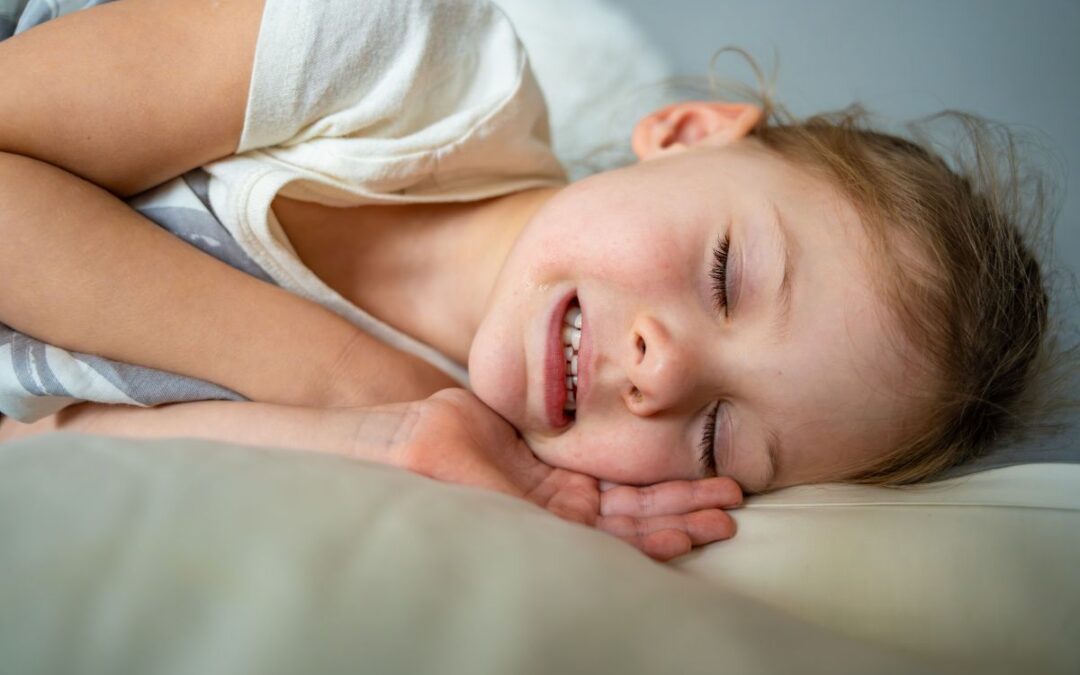
Hearing the harsh sound of your child scraping their teeth together while sleeping can make any parent pause. Nighttime tooth grinding, clinically known as pediatric bruxism, is surprisingly common among young children. Many parents worry that this habit might lead to permanent damage or severe oral health issues. Fortunately, understanding why this happens can help you determine the right time to take action.
At our welcoming practice, Dr. Talia works closely with families in Boca Raton and across South Florida to evaluate these nocturnal habits and keep young smiles healthy as they grow.
If you live in Palm Beach County and need a trusted Boca Raton pediatric dental team to check your child’s teeth, addressing early signs of wear can prevent future discomfort.
Understanding Nighttime Teeth Grinding in Children
Pediatric bruxism often occurs during deep sleep cycles. Children may unconsciously clench their jaws or slide their upper and lower teeth against each other. Parents usually notice the sound first, which can sound remarkably loud for such a small child.
While it can be disturbing to hear, occasional grinding in toddlers and young children is frequently a temporary phase. As jawbones expand and primary teeth are replaced by adult teeth, the bite undergoes rapid structural changes. Most children naturally outgrow the habit without long-term harm. However, frequent or aggressive grinding requires closer evaluation to protect developing enamel and jaw joints.
Common Causes of Nighttime Teeth Grinding
Tooth grinding rarely stems from a single trigger. Children often grind their teeth due to a mix of physical and environmental factors:
- Bite Misalignment: Teething infants and young children often clench their jaws to self-soothe when new teeth emerge or when primary teeth do not align comfortably.
- Stress and Anxiety: Emotional changes, such as starting a new school year, moving to a new house, or changes in routine, can manifest as subconscious tension during sleep.
- Airway Obstructions and Breathing Issues: Children with enlarged tonsils, swollen adenoids, or seasonal allergies may grind their teeth to instinctively open their airway during sleep.
- Earaches and Physical Discomfort: Ear pain or sinus pressure can prompt children to shift their jaw repeatedly to relieve pressure in the head and neck.
Identifying the root cause helps determine whether your child simply needs time or targeted clinical intervention.
Warning Signs Parents Should Watch For
While mild grinding often resolves naturally, specific symptoms signal that it is time for a professional evaluation:
- Visible Tooth Wear: Flattened, chipped, or noticeably shortened enamel surfaces.
- Morning Discomfort: Complaints of a sore jaw, facial tenderness, or dull headaches upon waking.
- Pain While Chewing: Sensitivity to hot, cold, or sweet foods due to worn protective enamel.
- Disrupted Sleep Patterns: Restless sleeping, loud snoring, or frequent nighttime awakenings.
If you observe any of these warning signs, proactive care can protect your child’s smile from further damage.
Effective Solutions and Preventive Care
Treatment depends on the underlying cause and the severity of enamel wear. For mild cases without physical symptoms, simple observation and relaxing bedtime routines, such as warm baths, light reading, or reducing screen time, may help calm the nervous system before sleep.
When physical wear or morning jaw soreness occurs, custom dental appliances offer the safest protection:
- Custom Appliance Therapy: Specially designed pediatric oral guards create a soft, protective barrier between the upper and lower arches.
- Preventing Enamel Erosion: Wearing tooth guards during sleep absorbs grinding pressure and prevents further enamel damage.
- Relieving Jaw Pressure: Professionally fitted mouthguards help relax overactive jaw muscles throughout the night.
- Comfortable Custom Fit: Unlike over-the-counter options, dental-grade oral guards are precisely according to your child’s unique mouth structure, so they remain secure and comfortable.
If airway or allergy issues are contributing factors, partnering with your pediatrician alongside regular dental visits ensures comprehensive care.
Protect Your Child’s Smile with Pike Pediatric Dentistry
Nighttime grinding is a common part of childhood development, but persistent bruxism shouldn’t be ignored. Leaving severe bruxism unaddressed can lead to premature tooth wear, jaw muscle fatigue, and unnecessary dental discomfort. Early monitoring ensures your child’s growing smile stays strong, painless, and healthy.
Please visit our dental office so our team can examine your child’s bite, check for enamel wear, and determine if protective solutions are needed. At our practice, Dr. Talia and our compassionate team specialize in compassionate, child-centered care designed to put both parents and young patients at ease.
Ready to protect your child’s teeth and ensure a restful night’s sleep for your family in the Boca Raton area? Call us today at 1-561-347-7006 to book a pediatric evaluation appointment.
Frequently Asked Questions
Will Teeth Grinding Damage My Child’s Permanent Teeth?
Persistent grinding can wear down enamel, leading to tooth sensitivity, chips, or alignment issues. While many children outgrow the habit before adult teeth emerge, severe grinding can affect permanent teeth if left unmonitored. A professional checkup ensures enamel remains protected.
How Do Protective Guards Help Children Who Grind Their Teeth?
Custom night mouthguards provide a comfortable physical cushion between the upper and lower teeth. They absorb heavy bite pressure, reduce jaw muscle tension, and shield enamel from friction. Protective oral guards prevent long-term wear while allowing your child to sleep comfortably.
Can Stress Cause Young Children To Grind Their Teeth At Night?
Emotional stress, anxiety, or big routine changes frequently trigger nighttime clenching in children. The body releases tension subconsciously during deep sleep phases through jaw movement. Creating a calm, screen-free bedtime routine can help lower stress before sleep.
How Can I Tell If My Child Needs A Professional Dental Evaluation For Bruxism?
You should seek an evaluation if your child complains of morning jaw soreness, facial pain, or tooth sensitivity. Visible signs like chipped, flattened, or unusually short teeth also require immediate attention. A checkup can pinpoint the cause and prevent further damage.
At What Age Do Children Usually Stop Grinding Their Teeth?
Most children naturally stop grinding between ages six and ten, once their primary teeth transition and their adult molars come in. If grinding persists beyond this age range or causes physical discomfort, an evaluation helps protect developing teeth.