
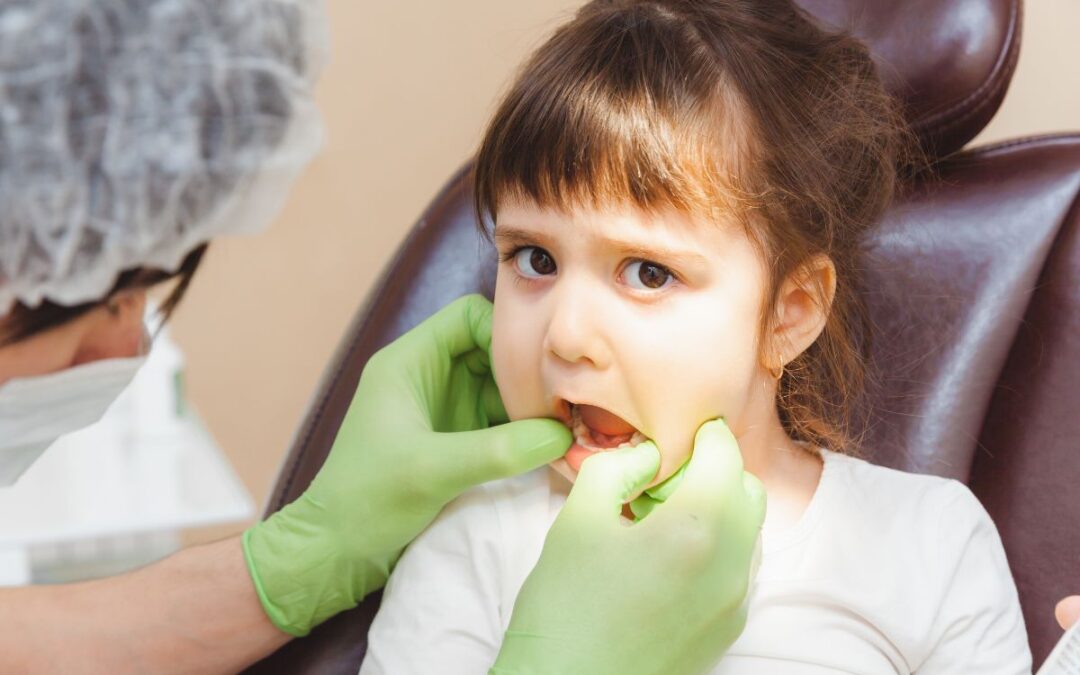
Living in South Florida comes with plenty of fun treats for kids. From refreshing fruit smoothies and frozen drinks to beachside snacks and sweet desserts, children are surrounded by foods and beverages they naturally enjoy. While occasional treats are part of childhood, many parents may not realize how certain popular snacks and drinks can slowly affect their child’s dental health over time.
Many families looking for a boca raton pediatric dental provider are often surprised to learn that cavities are not caused only by candy. Frequent snacking, sugary drinks, acidic beverages, and even some “healthy” snack choices can contribute to enamel damage and tooth decay in children.
Understanding how these everyday habits affect growing smiles can help parents make better choices while still allowing children to enjoy the foods they love.
Why Children’s Teeth Are More Vulnerable
Children’s teeth are still developing, which makes them more sensitive to sugar and acid exposure. Baby teeth have thinner enamel than adult teeth, so decay can spread much faster once it begins.
When children snack frequently throughout the day, bacteria in the mouth continue producing acids that attack tooth enamel. Over time, this can lead to:
- Cavities
- Enamel weakening
- Tooth sensitivity
- White spots on teeth
- Gum irritation
- Early tooth loss
This is one reason pediatric dentists encourage balanced eating habits and regular dental visits during childhood.
Popular South Florida Drinks That Can Harm Teeth
South Florida’s warm weather often means kids consume more cold and sweet beverages throughout the year. Unfortunately, many of these drinks contain large amounts of sugar and acid.
Sports Drinks
Many parents assume sports drinks are healthier than soda, but they can still expose teeth to significant acid and sugar. Even children who are active in sports may not need these drinks regularly unless recommended for intense athletic activity.
Frequent sipping throughout the day is especially harmful because it constantly bathes the teeth in acid.
Fruit Juice
Even 100% fruit juice contains natural sugars and acids that can weaken enamel. Citrus juices, in particular, may contribute to enamel erosion when consumed often.
Some common drinks that can affect children’s teeth include:
- Orange juice
- Lemonade
- Fruit punch
- Sweet tea
- Flavored milk
- Soda
- Frozen slush drinks
Parents do not necessarily need to eliminate these drinks completely, but limiting frequency and encouraging water afterward can help reduce damage.
The Problem With Constant Snacking
One of the biggest contributors to childhood cavities is not always the amount of sugar consumed, but how often children snack.
Children who constantly “graze” throughout the day give oral bacteria a continuous food source. Every snack restarts the acid attack process inside the mouth.
Sticky snacks are especially problematic because they cling to teeth longer.
Common Cavity-Causing Snacks
Some snacks commonly seen in lunchboxes or after-school routines include:
- Gummies
- Fruit snacks
- Crackers
- Chips
- Cookies
- Granola bars
- Dried fruit
- Sticky candies
Even crackers and chips can contribute to cavities because starches break down into sugars in the mouth.
Pediatric dental professionals often recommend structured meal and snack times instead of all-day snacking.
“Healthy” Snacks Can Still Affect Teeth
Parents trying to make healthier choices may unknowingly select snacks that still impact dental health.
For example:
- Smoothies can contain large amounts of sugar
- Dried fruit sticks to teeth
- Yogurt pouches may contain added sugars
- Citrus fruits are acidic
- Flavored waters sometimes contain hidden sweeteners
This does not mean these foods are unhealthy overall. The goal is balance and moderation while maintaining strong oral hygiene habits.
Pairing snacks with water and brushing properly afterward can make a major difference.
Signs Your Child’s Diet May Be Affecting Their Teeth
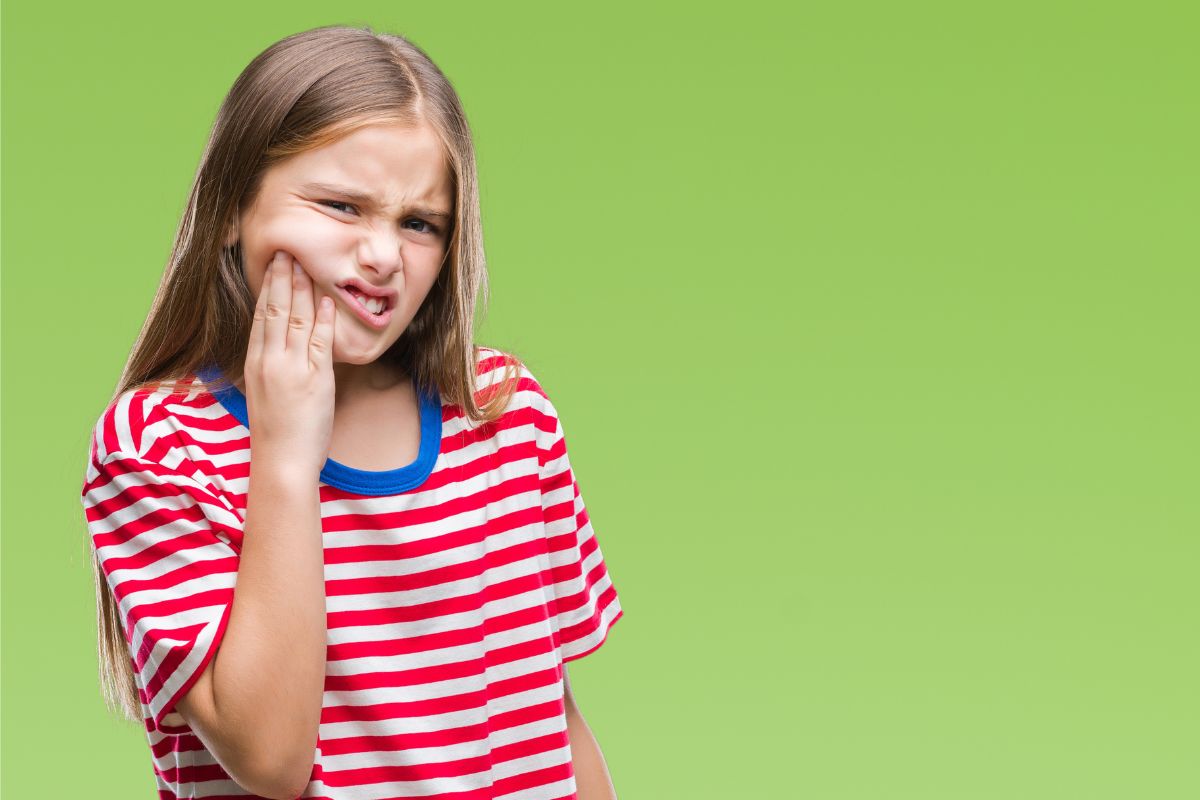
Sometimes early dental problems are easy to miss. Parents should watch for signs such as:
- White chalky spots on teeth
- Tooth sensitivity
- Complaints about pain while eating cold foods
- Bad breath
- Brown spots on teeth
- Bleeding gums
- Increased plaque buildup
Early enamel changes can often be treated before they become larger cavities when caught quickly.
Better Snack and Drink Choices for Children
Parents do not need to create a perfect diet to support healthy teeth. Small changes can significantly lower cavity risk.
Tooth-Friendly Snack Ideas
Some better options include:
- Cheese
- Yogurt without added sugar
- Apples
- Cucumbers
- Carrots
- Nuts (if age appropriate)
- Hard-boiled eggs
- Whole fruits
- Water-rich vegetables
These foods are less likely to stick to teeth and may even help stimulate saliva production, which naturally protects enamel.
Best Drink Choice: Water
Water remains the best beverage for children’s teeth. It helps rinse away food particles and reduces acid buildup in the mouth.
Children should ideally drink water between meals rather than constantly sipping sugary beverages throughout the day.
Timing Matters More Than Parents Realize
Many parents focus only on what children eat, but timing also plays a huge role in cavity development.
For example:
- Sipping juice slowly over an hour is worse than drinking it with a meal
- Bedtime snacks increase cavity risk if brushing is skipped
- Frequent snacking creates repeated acid attacks
- Sugary drinks in sippy cups can be especially harmful for younger children
Saliva helps neutralize acids, but the mouth needs time between meals and snacks to recover.
Simple Habits That Help Protect Children’s Teeth
Healthy dental habits do not need to feel overwhelming for families.
A few simple routines can greatly reduce the risk of cavities:
- Brush twice daily
- Supervise brushing for younger children
- Limit sugary drinks between meals
- Encourage water after snacks
- Avoid constant grazing
- Schedule regular dental checkups
- Use fluoride toothpaste appropriately
- Replace sticky snacks with healthier alternatives when possible
Consistency matters more than perfection.
Why Preventive Pediatric Dental Care Is Important
Children may not always communicate early tooth discomfort clearly. Preventive dental visits allow problems to be identified before they become painful or expensive to treat.
A pediatric dentist can monitor:
- Enamel development
- Early cavities
- Diet-related dental concerns
- Proper brushing habits
- Bite development
- Fluoride needs
Families throughout Boca Raton and nearby South Florida communities often benefit from early education about nutrition and oral health because many everyday foods marketed toward children can quietly contribute to dental issues over time.
Helping Children Build Healthy Habits for Life
Childhood eating habits often continue into adulthood. Teaching children balanced snack habits early helps support both their oral health and overall wellness long-term.
Parents do not need to remove every sweet treat from their child’s life. Instead, focusing on moderation, routine dental care, and healthier daily habits can help children maintain strong, healthy smiles as they grow.
If you are concerned about how your child’s diet may be affecting their teeth, schedule a visit with Pike Pediatric Dentistry to learn more about preventive pediatric dental care and protecting your child’s smile.